


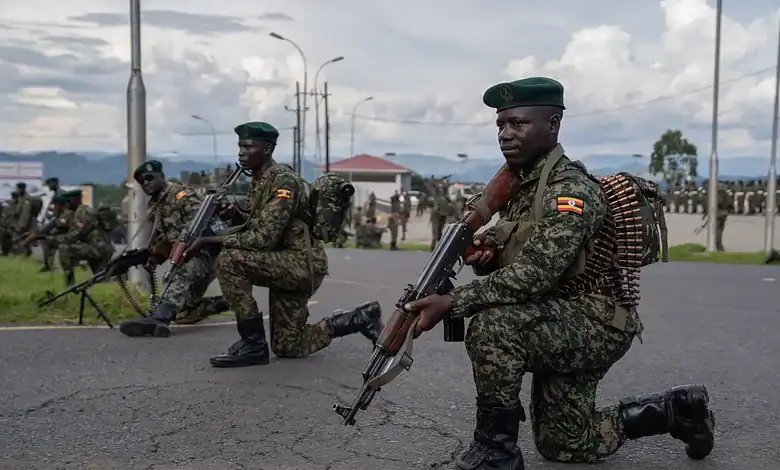
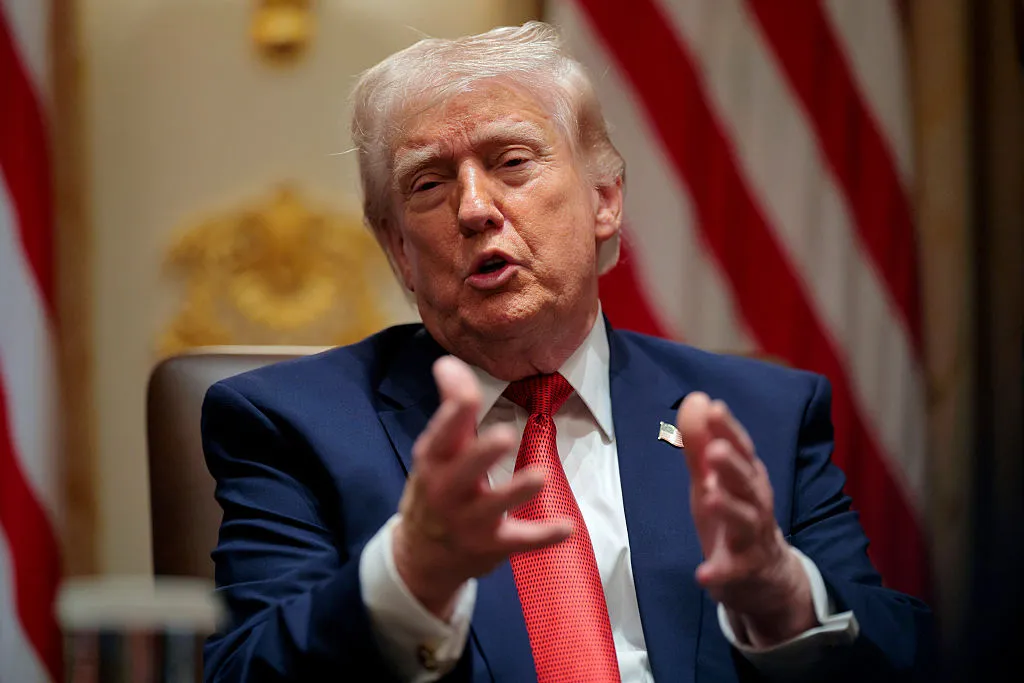
The decision follows a request from the United States, conveyed through diplomatic channels to Ugandan President Yoweri Museveni in July. Defence Minister Kiryowa Kiwanuka told lawmakers that Trump had, through emissaries, contacted Museveni seeking Uganda's contribution to the International Stabilisation Force, which would operate in areas of Gaza not under Israeli control.
A Significant Shift for Uganda
The parliamentary approval represents a major departure for Uganda, which has historically focused its peacekeeping efforts on the African continent. The country currently has military contingents deployed in Somalia, South Sudan and the Democratic Republic of Congo. The Gaza deployment would mark Uganda's first public commitment to a peacekeeping role in the Middle East.

Kiwanuka told parliament: "Following the invitation by His Excellency Donald Trump ... the President of the Republic of Uganda, is ready to deploy in the Gaza Strip the desired Uganda People's Defence Forces contingent."
The Broader Ceasefire Plan
The deployment is part of a broader ceasefire plan proposed by Trump after a fragile ceasefire deal was struck in October. The plan provides for a surge in humanitarian aid, civilian administration by Palestinian technocrats, Hamas laying down its arms and Israeli forces withdrawing from Gaza.
Under the plan, an International Stabilisation Force of approximately 20,000 personnel is envisioned, to be led by US Major General Jasper Jeffers. The force is designed to deploy gradually once the phased withdrawal of Israeli troops and the disarmament of Hamas in the Strip are completed.
The plan has stalled, and the group of technocrats—known as the National Committee for the Administration of Gaza—has remained outside the enclave. It remains unclear when any such force will deploy.
Parliamentary Debate and Opposition Concerns
The motion, tabled under Section 38 of the Uganda People's Defence Forces Act, which empowers the President to deploy troops outside Uganda for peacekeeping operations subject to parliamentary approval, was introduced unexpectedly during plenary and triggered fierce procedural objections from opposition legislators.
Opposition Chief Whip Paul Mwiru argued that members had been given insufficient time to study the proposal, describing it as "not an ordinary motion" and noting that "we are committing Ugandan soldiers to an active war zone."
Manjiya County MP John Baptist Nambeshe urged parliament to assess Uganda's ongoing military engagements in Somalia, the Democratic Republic of Congo, South Sudan and the Central African Republic before approving another deployment. He warned that "Gaza is an active war zone where distinguishing between combatants and civilians is extremely difficult."
Several MPs also raised questions about the legal framework governing the deployment. Kiwanuka confirmed that a status of forces agreement would be signed following the vote.
Government Defends Decision
Defending the motion, UPDF representative Major General Henry Masiko Ndarubweine dismissed suggestions that the force was unprepared, saying Uganda should be proud that its military is regarded as "an anchor of stability in a sea of turbulence regionally and now globally."
Health Minister Dr Chris Baryomunsi also defended the decision, arguing that Parliament regularly considers urgent national matters and should not shy away from debating critical issues.
The motion was ultimately passed by a majority of MPs, formally authorising the deployment. However, the exact number of troops to be deployed, the timeline for deployment, and the specific rules of engagement remain to be finalised through a formal status of forces agreement with international partners.
With reporting from EFE, AP News, NTV Kenya, Daily Monitor, Channel Africa and Al-Monitor.










Comments (0)
No comments yet. Be the first to share your thoughts!