The United States has imposed sanctions on the President of the International Criminal Court, Tomoko Akane, and senior trial lawyer Abdoulaye Seye, in the latest escalation of the Trump administration's campaign to dismantle the tribunal, accusing it of overstepping its mandate by investigating officials from countries that are not members of the court.
Secretary of State Marco Rubio announced the sanctions on Tuesday, branding the ICC "a corrupt and fatally politicized supranational court that has maliciously abused its authority and exceeded its mandate." The sanctions freeze any US-based assets of the two officials and effectively cut them off from the US financial system, with a general license authorizing the wind-down of transactions involving them until September 17.
Rubio said the two officials had "directly engaged in efforts by the ICC to investigate, arrest, detain, or prosecute officials whose government has not consented to ICC jurisdiction." The United States is not a party to the Rome Statute, the treaty that established the ICC, and rejects the tribunal's efforts to exercise jurisdiction over nationals of non-member states.
Ad
A Campaign to Dismantle the Court
The move represents the latest step in a broader pressure campaign launched by the Trump administration against the Hague-based court. In July, Rubio announced a "sweeping campaign to dismantle the threat posed by the International Criminal Court to US sovereignty," which includes pressuring the court's 125 member states to withdraw from the institution, sanctioning organizations that work with the court and banning ICC staff from travelling to the United States.
The campaign has already seen results: Venezuela and Chad have announced plans to leave the court, bringing the number of countries to pull out in the past year to five. Chad's announcement came after President Mahamat Idriss Déby Itno met with Rubio in Washington. At least five countries have already heeded the call to quit the institution.
The US has now sanctioned nine of the ICC's 18 judges, both of its deputy prosecutors, its former chief prosecutor and one other prosecution office staffer.
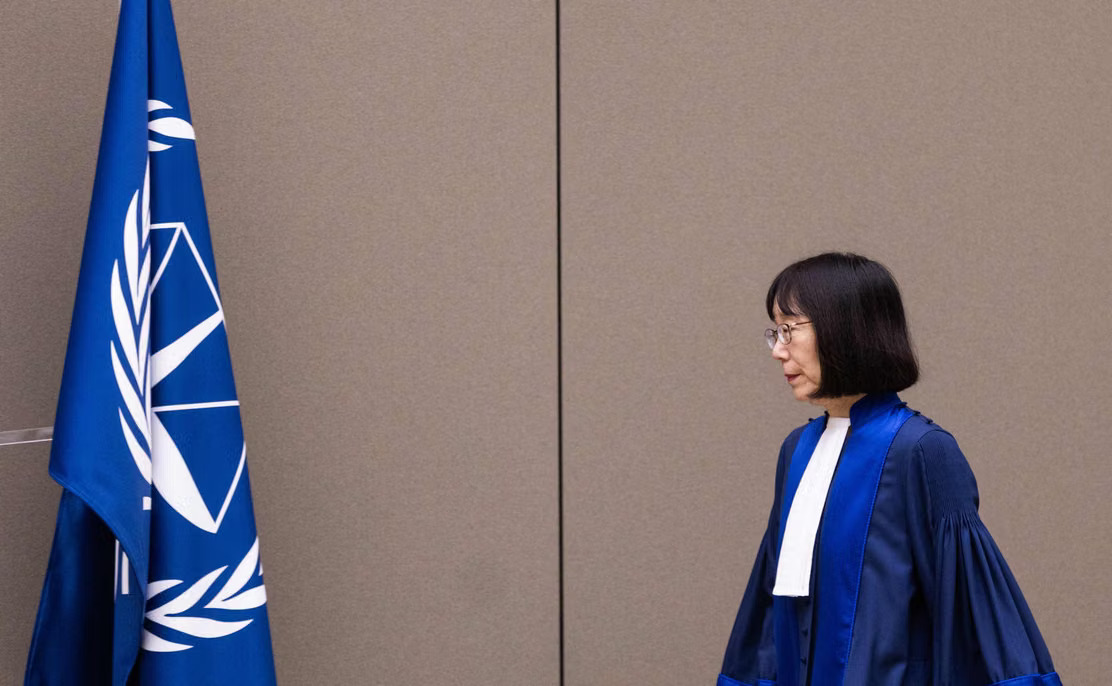
Judge Tomoko Akane at the ICC in the Hague, on November 20, 2024. EVA PLEVIER / AFP
Root of the Tensions
The tension follows the ICC's issuance of arrest warrants in November 2024 for Israeli Prime Minister Benjamin Netanyahu and former Defence Minister Yoav Gallant for alleged war crimes in Gaza. The Trump administration has also objected to the court's approval of an investigation into alleged war crimes by American troops in Afghanistan.
The US has argued that the ICC overstepped its authority by opening investigations into actions committed by non-member states. Proponents of the court, however, have argued that the ICC has jurisdiction to investigate and prosecute actions carried out in its 125 member states, even if the perpetrators fall outside of its membership. The ICC maintains it holds jurisdiction over alleged crimes committed within member territories, regardless of the suspect's citizenship.
International Reactions and ICC Response
The sanctions have drawn sharp criticism from the ICC, the United Nations and several countries. The ICC said the measures undermine the rule of law and place the "international legal order" at risk. In a statement, the court said that when "judicial actors are threatened for applying the law, it is the international legal order itself that is placed at risk," and vowed to "continue to fully discharge its mandate with independence and impartiality."
UN Secretary-General Antonio Guterres voiced "serious concern" regarding the US decision, emphasizing that the UN views the ICC as a "key pillar of international criminal justice."
Japan also criticized the move, with press secretary Toshihiro Kitamura calling the measures "very unfortunate." Yuichiro Tamaki, leader of the Japanese opposition Democratic Party for the People, wrote on X that Trump's sanctions were "outrageous and intolerable." Dutch Foreign Minister Tom Berendsen said the Netherlands, which hosts the court, disapproved of the latest US sanctions and had invited Akane to discuss continued support.
Impact on ICC Officials
The sanctions can have a profound impact on the daily lives of court officials, preventing them and their families from entering the United States and blocking their access to basic financial services. Canadian judge Kimberly Prost, who was sanctioned last year, lost access to her credit cards, and Amazon's Alexa stopped responding to her.
The US Treasury Department's Office of Foreign Assets Control added Akane and Seye to the Specially Designated Nationals list, a move that blocks any US assets they may hold and bars Americans and entities from engaging in transactions with them. The department also issued a general license on Tuesday authorizing the wind-down of transactions involving Akane and Seye through September 17.
Legal Challenges
In June, three ICC judges sued the Trump administration over the sanctions, calling them an "arbitrary and capricious" means of curtailing the court's judicial independence. Human Rights Watch and three other groups sued the Trump administration last week to challenge its campaign against the ICC, arguing that Trump's executive order and the sanctions represent a "blatantly illegal attack on international justice."
With reporting from AP News, Al Jazeera, Reuters and Anadolu Ajansı.
Please complete the verification below to continue.
Please complete the verification
Human verification passed
Edit Comment
Delete Comment
Are you sure you want to delete this comment?
This action cannot be undone.
Loading comment content...
We value your privacy
We use cookies to enhance your browsing experience, serve personalized content, and analyze our traffic. By clicking "Accept All", you consent to our use of cookies. You can manage your preferences at any time. Learn more.
Cookie Settings
We use cookies to improve your experience on our site. You can choose which cookies to allow. Read our full Cookie Policy.
Essential CookiesRequired
These cookies are necessary for the website to function properly and cannot be switched off.
Analytics & Performance
These cookies help us understand how visitors interact with our website by collecting anonymous information.
Functional Cookies
These cookies enable enhanced functionality and personalization, such as remembering your preferences.
Targeting & Advertising
These cookies may be used by advertising partners to build a profile of your interests and show you relevant ads.




















Comments (0)
No comments yet. Be the first to share your thoughts!