


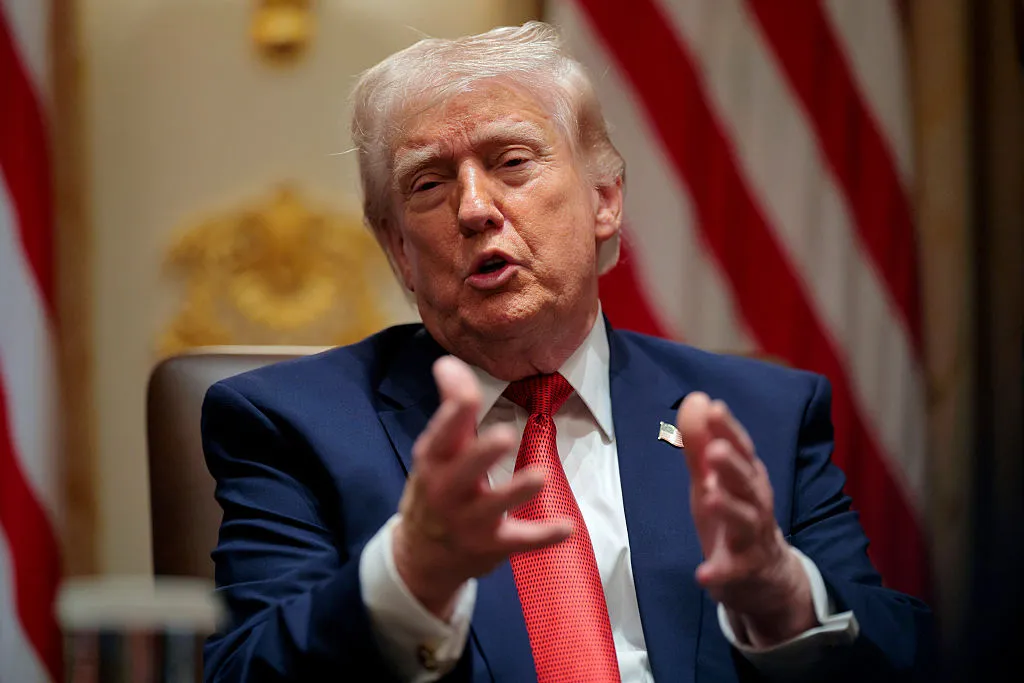
Trump expressed optimism for an end to the war on Monday, telling reporters aboard Air Force One: "I think there's a good chance that something could happen." However, he warned that Washington would "go back to doing what we were doing" before the pause in fighting if the latest negotiations failed.
Tehran has denied that any direct negotiations are taking place.

A Fragile Pause in Hostilities
Trump said he had decided to pause US strikes on Iran on Friday because the countries mediating between them had asked him to give the talks another chance. Iran has also halted its attacks.
The pause follows nearly two weeks of daily US strikes and tit-for-tat attacks, effectively unravelling the ceasefire struck in June. The US military said at the time that its strikes were aimed to "degrade Iran's ability to threaten commercial shipping in the Strait of Hormuz" – a global route for transporting oil.
Oil Prices React to Easing Tensions
The price of oil on Monday fell by more than 9% to $87.59 a barrel at one point on hopes the conflict could be de-escalated. The decline reflects market relief at the prospect of reduced disruption to global energy supplies, though prices remain elevated compared to pre-conflict levels.
US Dismisses Ammunition Shortage Reports
Aboard the presidential plane, Trump dismissed media reports that after five months of fighting, US ammunition stockpiles were now running low.
"We have a lot of ammunition. We have a lot of the mid-level stuff too, more than we could ever use, no matter what. But we have a lot. I'd like to have more."
He said a "lot of equipment" was being built, in particular Patriots – highly valued US-made anti-ballistic missiles. "That system is going up. We have a lot," he said.
White House spokesperson Anna Kelly reinforced the message:
"The US military has more than enough munitions, ammo, and stockpiles to serve all of President Trump's strategic goals and beyond, and Operation Epic Fury has exposed what happens when you mess with the United States."
Kelly added: "Even still, the president has urged our defence contractors to constantly produce more made-in-America weapons, which are the best in the world."
Background to the Conflict
The US and Israel launched their strikes against Iran on 28 February. Tehran retaliated by firing missiles and drones on US military bases and other assets located in Gulf states, as well as on targets inside Israel.
In June, Iran and the US signed a memorandum of understanding to stop military operations and reopen the Strait of Hormuz, as well as to reach an agreement to end the war over the following 60 days.
However, after Iranian forces attacked tankers in the waterway on 13 July, Washington resumed air strikes against Iran and reinstated its naval blockade of the country's ports. Tehran retaliated with attacks on US military facilities and bases across the Middle East, killing four American soldiers. The US strikes have since killed dozens of people, according to Iran's health ministry.
What This Means for Africa
While the conflict is geographically distant from Africa, its economic consequences have been felt across the continent. The Strait of Hormuz is a critical chokepoint for global oil shipments, and disruption to shipping routes has driven up fuel prices in oil-importing African nations, worsening inflationary pressures and straining household budgets.
The resumed negotiations offer a glimmer of hope for African economies that have been battered by rising energy costs. A lasting resolution to the conflict could stabilise oil prices, providing relief to countries like South Africa, Kenya, and Ghana, which rely heavily on imported fuel.
The outcome of the negotiations will also influence geopolitical dynamics, as African nations navigate their relationships with both the United States and Iran. Several African countries maintain diplomatic and economic ties with Tehran, and a prolonged conflict could force difficult choices about alignment and sanctions compliance.
Despite Trump's optimistic tone, significant obstacles remain. Iran has denied that any direct negotiations are taking place, suggesting a disconnect between public statements and private diplomacy. The fragile pause in hostilities could collapse at any moment, especially given the history of mutual accusations and broken agreements.
Nevertheless, the resumption of negotiations, however indirect, represents the most significant diplomatic opening since the conflict escalated. The next few days will be critical in determining whether the pause in fighting can be transformed into a more durable ceasefire, or whether both sides will return to the battlefield.
With reporting from BBC News, Reuters, AP News, and CNN.















Comments (0)
No comments yet. Be the first to share your thoughts!