


The Iran war is creating one of the biggest disruptions to the global energy market in decades. With more than 43% of the world's oil production now coming from conflict-affected countries, Africa faces rising risks from expensive fuel, food inflation, higher transport costs and pressure on already vulnerable currencies. The crisis is exposing how dependent African economies remain on global energy supply chains.
A Middle East war with consequences for Africa
The war involving Iran is no longer only a Middle Eastern security crisis. It has become a global energy problem.

Reuters reported on August 25 that countries affected by conflict produced around 45 million barrels of oil per day in 2025 — more than 43% of global oil supply. The countries involved include major producers affected by conflicts and geopolitical tensions in the Middle East, Russia, Libya and Venezuela.
That makes the global oil market unusually vulnerable.
At the center of the crisis is the Strait of Hormuz, a narrow waterway separating Iran from the Arabian Peninsula.
Before the conflict, about 20 million barrels of oil and petroleum products passed through the strait every day, representing roughly a quarter of global seaborne oil trade.
When that route is disrupted, the consequences are felt far beyond the Gulf.
For Africa, the question is simple: How much will this crisis increase the cost of everyday life?
Why Africa is vulnerable
Africa produces plenty of oil. Nigeria, Angola, Algeria and Libya are among the continent's major producers.
But producing crude oil does not necessarily mean a country has enough fuel for its own population.
Many African economies rely on imported petroleum products such as gasoline, diesel and jet fuel. This makes them vulnerable when international oil prices rise or shipping routes are disrupted.
The African Development Bank estimates that 80% of oil imported into Africa comes from the Middle East, along with about 50% of refined petroleum imports.
This is why a conflict in the Gulf can quickly become an African economic problem.
If oil becomes more expensive, importers pay more. If transportation becomes more expensive, businesses pay more. And eventually, consumers feel the difference.
Fuel is only the beginning
The most obvious impact is at the fuel station.
When the cost of crude oil or refined petroleum rises, fuel prices can increase. For motorists, that means spending more to fill a vehicle.
But fuel is also an input for almost every part of the economy. Trucks need diesel to transport food. Farmers need fuel to operate machinery and move produce. Airlines need jet fuel.
Factories need energy to operate. Public transport operators need fuel to move workers and students.
When transportation becomes more expensive, businesses often pass those costs on to consumers. That means an oil shock can quickly become an inflation shock.

How expensive oil reaches the price of food
The relationship between oil and food is easy to miss.
Imagine a farmer producing maize.
Fuel may be required to operate farm machinery. Fertilizer must be manufactured and transported. The harvested crop then needs to be moved by truck to a market or processing plant.
Every stage depends on energy.
The same applies to vegetables, meat, milk and other products.
The African Development Bank has warned that Middle East conflicts can increase the cost of hydrocarbons, food and fertilizers, while disrupting trade and supply chains.
For African households already struggling with high living costs, another increase in food prices could be particularly painful.
The hidden problem: Refined fuel
The oil crisis is not only about crude oil. There is another problem: refining capacity.
Crude oil must be processed into products such as gasoline, diesel and jet fuel before consumers can use it.
Reuters reported that more than 20% of Middle Eastern refining capacity has been affected by the conflict. The resulting shortage of refined products is becoming an important part of the global energy crisis.
Reuters also reported that Asian imports of refined products such as diesel, gasoline and jet fuel have fallen significantly from pre-war levels.
This matters for Africa because many countries depend heavily on imported refined fuel.
Even if crude oil is available somewhere in the world, limited refining capacity and disrupted shipping can still make the fuel that reaches African consumers more expensive.

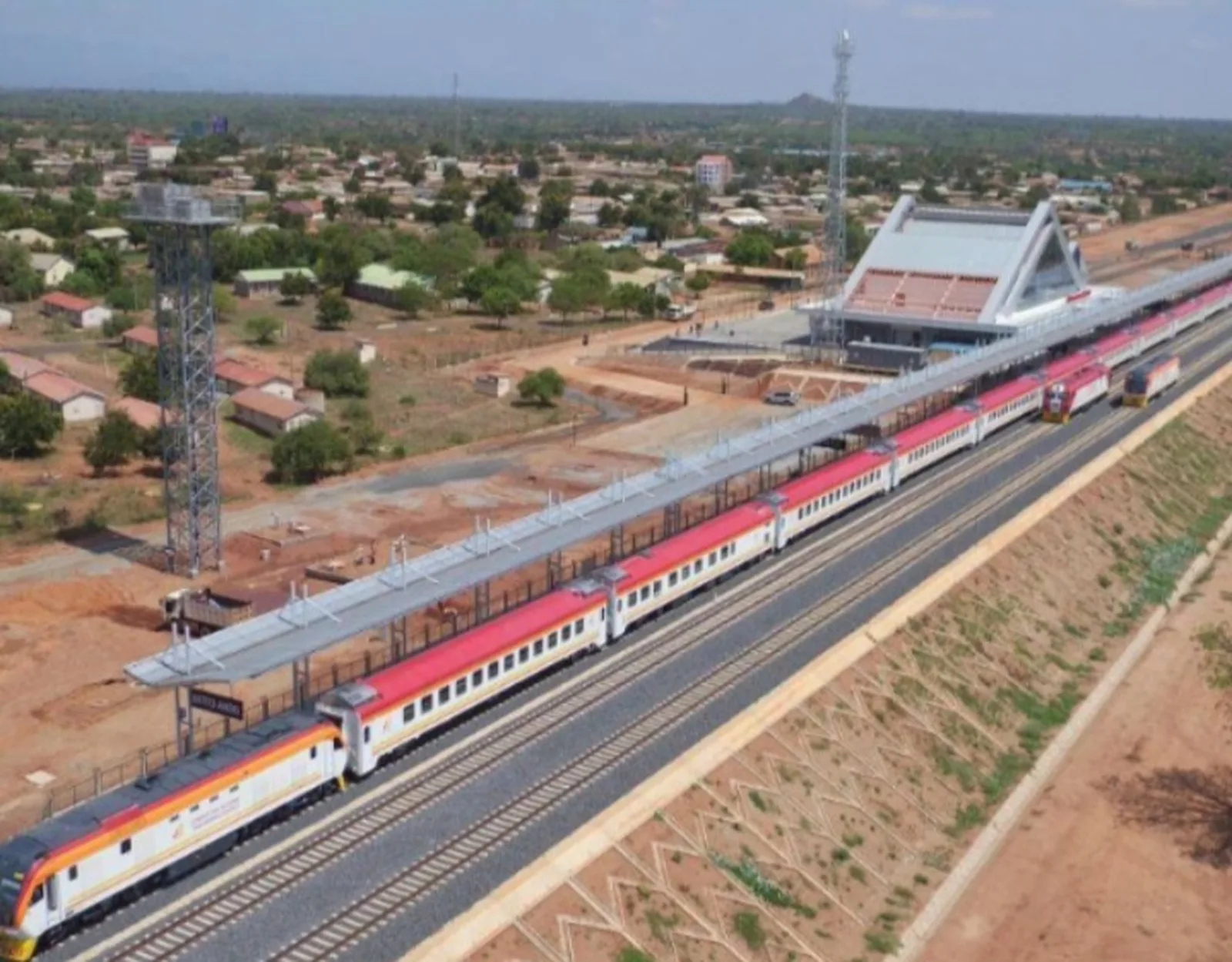
Kenya: How the shock can reach ordinary households
Kenya provides a useful example of how global energy pressures can affect everyday life.
The country imports petroleum products, meaning international oil prices are important to the cost of transportation and other goods.
But it is important not to blame all inflation on the Iran war. Domestic taxes, exchange rates, food supply, weather and other factors also affect prices.
The broader pressure is nevertheless significant.
The African Development Bank has warned that Middle East disruptions can increase transport costs, disrupt supply chains and create volatility in African currencies and foreign-exchange markets.
For Kenya, a prolonged global oil shock could therefore mean higher transportation costs and greater pressure on households and businesses.
The impact can spread from the fuel station to the supermarket.
Oil exporters may benefit — but not everyone wins
The crisis creates a complicated situation for Africa's oil-producing countries.
Higher international oil prices can increase export earnings for countries such as Nigeria, Angola, Algeria and Libya.
More oil revenue can provide governments with additional foreign exchange and tax income.
But this does not automatically mean cheaper fuel for their citizens.
A country can export large quantities of crude oil while still importing refined petroleum products.
That means an oil-producing country can benefit from higher crude prices while its population faces more expensive gasoline or diesel.
The real economic outcome depends on production levels, refining capacity, fuel subsidies, government finances and domestic consumption.

The currency effect
There is another problem for oil-importing African countries: the U.S. dollar.
International oil is generally traded in dollars.
When oil prices rise, countries need more dollars to pay for their imports.
That can put pressure on foreign-exchange reserves and local currencies.
A weaker currency can then make imported fuel even more expensive.
The cycle can look like this:
Higher oil prices → higher import bills → pressure on currencies → more expensive imports → higher inflation.
The African Development Bank has warned that the conflict is contributing to volatility in African financial and foreign-exchange markets.
For countries already facing high debt and limited government budgets, this creates another difficult economic challenge.
Shipping and air travel could also become more expensive
The effects of the crisis extend beyond oil tankers. If ships have to avoid dangerous routes, they may travel longer distances.
Longer journeys mean more fuel consumption, higher insurance costs and longer delivery times.
Those costs can eventually be passed on to consumers.
Airlines face a similar problem. Jet fuel is one of their biggest operating costs, so sustained oil-price increases can push up the cost of air travel and cargo transportation. Reuters reported that the Iran conflict has already increased pressure on global jet-fuel markets.
For African economies that depend on tourism, international trade and imported goods, these additional costs matter.

What happens if the war continues?
The biggest uncertainty is how long the disruption lasts.
Oil prices can fall quickly when markets become confident that supplies will return to normal. On August 25, Brent crude fell more than 3% to about $89 a barrel as investors responded to expectations that the latest U.S. sanctions might not immediately escalate the conflict. However, the risk around the Strait of Hormuz remains.
That means the crisis is not simply about today's oil price.
It is about what happens if supply disruptions continue for weeks or months.
The longer the crisis lasts, the more pressure governments face to protect consumers, businesses face to absorb higher costs and households face to reduce spending.
The International Energy Agency has described the disruption as the largest supply shock in the history of the global oil market, with oil flows through Hormuz falling dramatically from pre-conflict levels.
Can Africa reduce its vulnerability?
The crisis offers Africa an uncomfortable but important lesson.
Energy security cannot depend entirely on what happens in another region.
African countries need to strengthen domestic and regional energy systems by investing in:
- Refineries and fuel-storage capacity
- Solar, wind and geothermal power
- Regional electricity networks
- Public transportation
- Energy efficiency
- Strategic fuel reserves
- Local fertilizer production
- More diversified energy supplies
Africa does not have to stop using oil overnight.
But reducing excessive dependence on imported fuel would make African economies more resilient when another geopolitical crisis hits global energy markets.
There may even be opportunities for African energy projects.
Reuters reported on August 25 that the disruption to Middle Eastern gas supplies is making Tanzania's long-delayed $42 billion LNG project more attractive to energy companies looking for alternative sources of supply.

A warning Africa cannot ignore
The Iran war has demonstrated how quickly a conflict in one region can become an economic problem for the rest of the world.
For Africa, the danger is not only expensive crude oil.
It is the combination of higher fuel prices, expensive transport, food inflation, currency pressure, disrupted shipping and shortages of refined petroleum products.
The continent's oil producers may gain additional revenue, but oil-importing economies could face significant pressure.
The lesson is therefore bigger than the current crisis.
Africa needs energy systems that are more diversified, more locally resilient and less dependent on vulnerable international supply routes.
The war may eventually end and oil markets may stabilize.
But the vulnerability it has exposed will remain.
For African consumers, the next major oil crisis may not begin in Africa — but they could still end up paying the price.















Comments (0)
No comments yet. Be the first to share your thoughts!