



The Norwegian Nobel Committee awarded the 5th, 2026 Nobel Peace Prize to South African jurist Navi Pillay on Friday, the 9th of October, recognizing her leadership of a UN commission that concluded Israel committed genocide in Gaza and her decades-long efforts to hold perpetrators of war crimes accountable. Born into a family of Indian Tamil origin under apartheid in Durban, South Africa.

Navi Pillay started her career as a defence lawyer and legal pioneer, confronting deep structural discrimination, segregation, and exclusion for anti-apartheid activists, and was the first woman to open a law firm in what was then known as the Natal province in 1967. A common thread runs from her early work defending Nelson Mandela and others who stood up against apartheid to her service as a judge in some of the key international court cases of our time. She went on to be appointed an acting judge in the High Court in South Africa in 1995 and in the same year was elected by the UN General Assembly to be a judge on the International Criminal Tribunal for Rwanda, where she served for eight years as president.
The 85-year-old’s career spans more than 50 years, and her work has advanced the legal framework for addressing mass atrocities, according to the citation. Her commitment to universal legal principles and her firm moral compass are constants in a long career, and she is a judge on the International Court of Justice (ICJ) in the case in which Myanmar stands accused of genocide. She was also chair of the U.N. Commission of Inquiry on the Occupied Palestinian Territory that concluded last year that Israel has committed genocide in Gaza.
(Israel at the time dismissed the report as "scandalous" and “fake.") Israel's Foreign Ministry criticized Pillay's win, referring to it as a "grotesque weaponization" of the award. In "historic international court cases, she has shown that legal measures can help prevent acts of war and violence," Frydnes said, referring to Pillay as "one of the great defenders of international legal principles in our time." Reflecting on her win, Pillay said she is often asked when she will stop working. "I can’t obviously stop my work in support of the Nuremberg Principles, because of the people we meet here," she said.

Landmark Rulings On Sexual Violence
The Nobel committee specifically highlighted her contribution to landmark rulings establishing that rape and sexual violence could constitute crimes against humanity and genocide. She has also served as an Ad Hoc Judge at the International Court of Justice in the case brought by The Gambia against Myanmar over allegations of genocide against the Rohingya minority.
UN Commission On Gaza
Pillay chaired the UN Independent International Commission of Inquiry on the Occupied Palestinian Territory from July 2021 until her departure in 2025. Presenting the commission's findings to a UN General Assembly committee in October 2025, she said its legal analysis had established Israel's responsibility for genocide in Gaza.
"We concluded that the State of Israel is responsible for the commission of four genocidal acts in Gaza with the specific intent to destroy Palestinians in Gaza, as such," she said. "The Commission also found that the Israeli President, Prime Minister and former Defence Minister have incited the commission of genocide," she added.
Rule Of Law And Peace
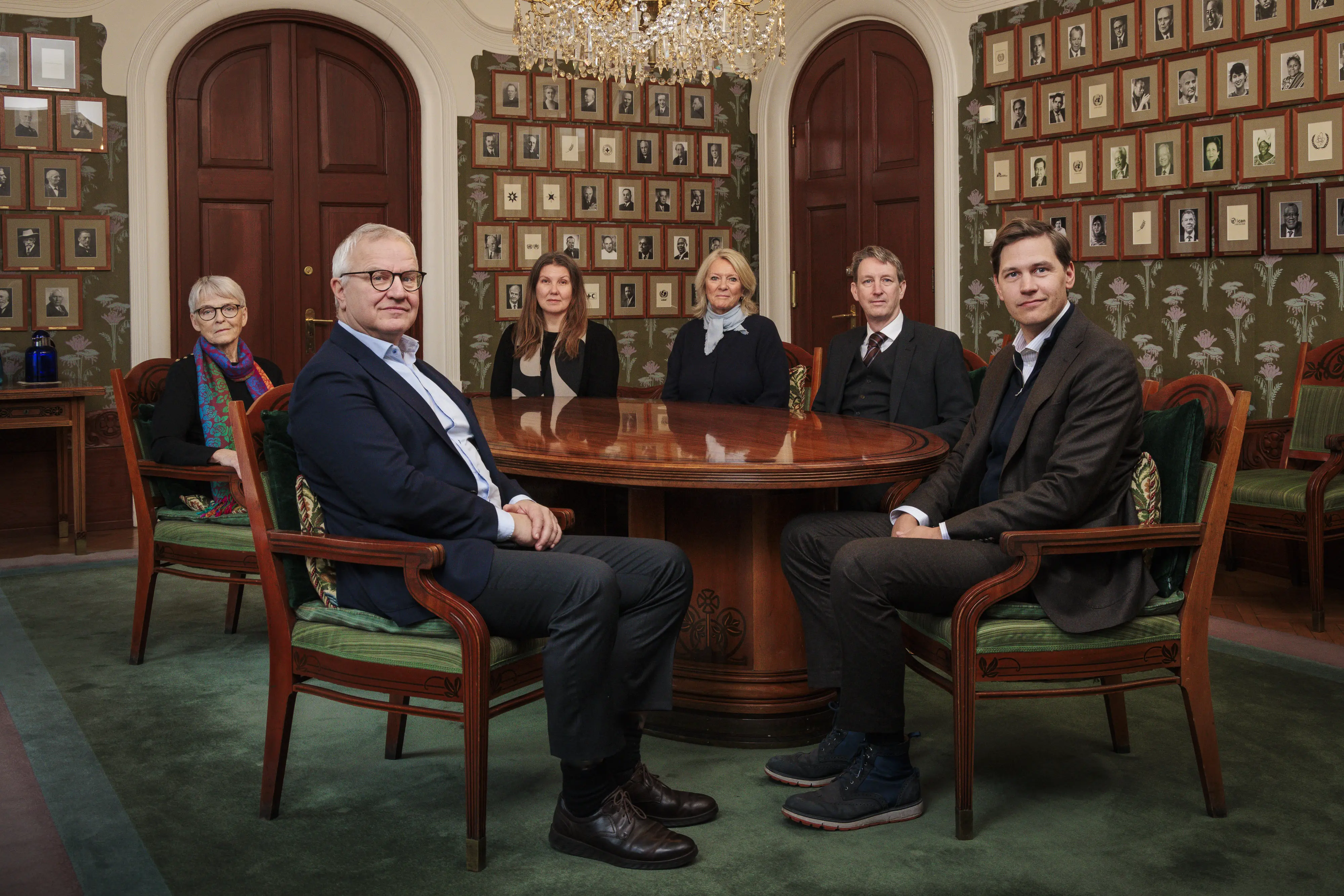
The Nobel committee emphasized that Pillay's career demonstrated how international legal institutions prevent conflict and secure accountability. "This year's laureate has significantly enlarged the scope and impact of international law," the committee stated. "In awarding this year's Nobel Peace Prize, the Norwegian Nobel Committee wants to remind the world that the rule of law - national and international - underpins the system we have set up to ensure peace," it said. "Peace requires justice."
The committee praised Pillay's decades-long efforts to strengthen international justice and hold perpetrators of war crimes, crimes against humanity and genocide accountable.
On the 15th of October 1993, the Norwegian Nobel Committee reported that two South Africans, Nelson Mandela and FW de Klerk, were the winners of the Nobel Peace Prize for the year 1993.
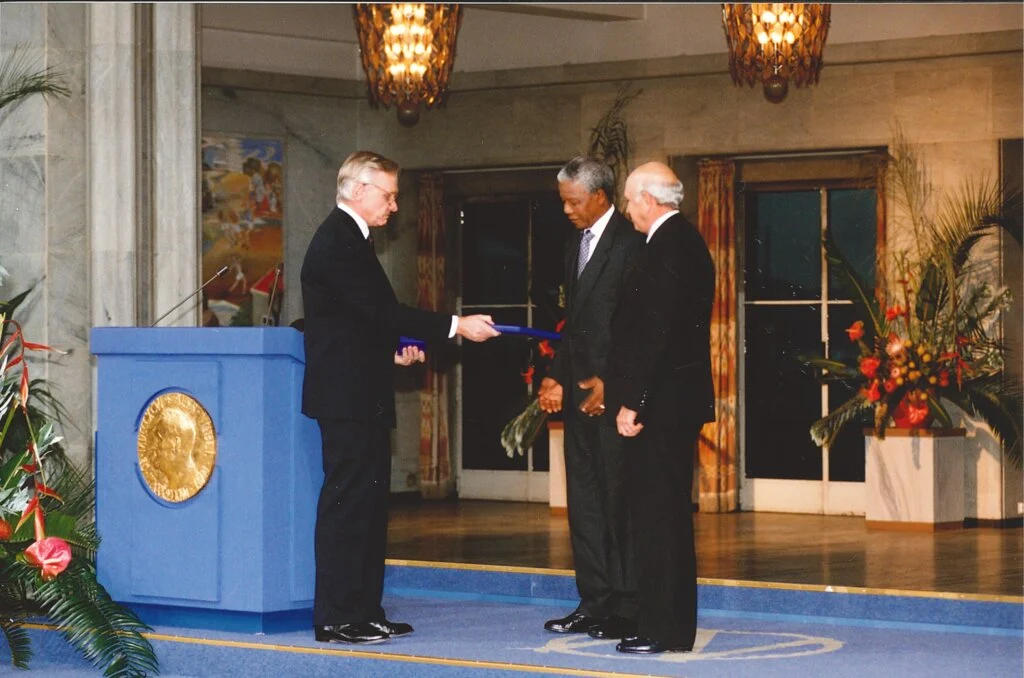
The Norwegian Nobel Committee further reported that they received the award jointly for their work for the peaceful termination of the apartheid regime and for laying the foundations for a new democratic South Africa. The year 1993 was one of the most difficult years in South Africa’s history of transition from apartheid to democracy.
The year was characterised by heightened political intolerance, multiple false starts for negotiations, and pervasive political violence that saw many South Africans from all walks of life losing their lives. In October 1993, history was made with the signing of the Transitional Executive Council (TEC) Act that allowed each of the nineteen political parties that participated in the Multi-Party Negotiations to be represented on the Council paving the way for democracy.

















Comments (0)
No comments yet. Be the first to share your thoughts!