



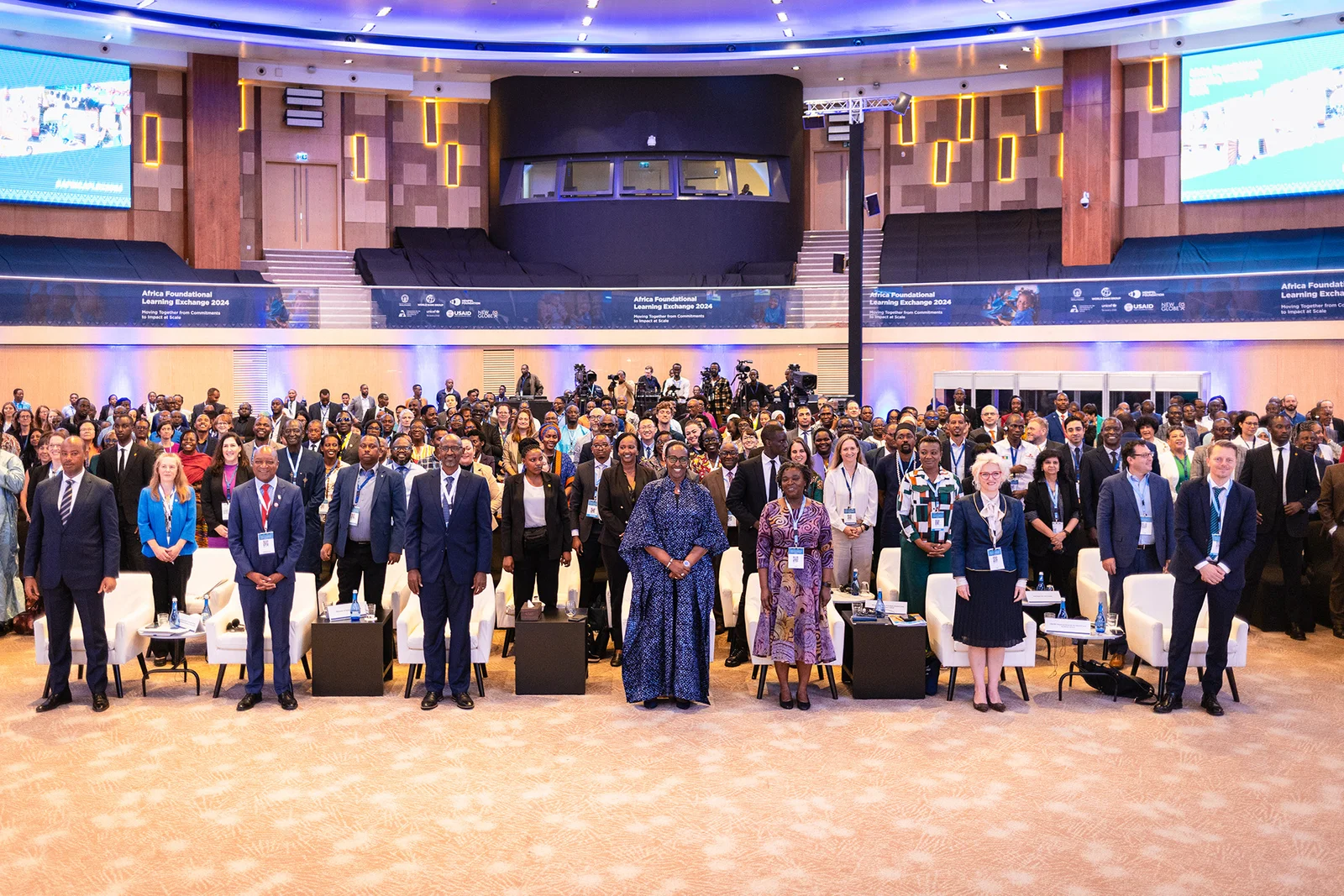
The call was made during the 1357th Open Session of the African Union Peace and Security Council on Education in Conflict Situations, held at the African Union headquarters in Addis Ababa on Monday. The session was chaired by Ambassador Mohamed Khaled, Permanent Representative of Algeria to the African Union, as Algeria commenced its August 2026 presidency of the Council. The annual discussion brought together PSC members, African Union institutions, child-protection bodies and international partners.
The session was a direct follow-up to the PSC session held on 13 August 2025, during which the Council mandated the African Union Commission to develop a policy on the protection of education and to ensure the continuity of learning during conflicts across the African continent. This year's session reviewed progress achieved and identified remaining gaps.

A Generational Wound That Deepens Poverty and Instability
Representing Lesotho, Ambassador Nts'iuoa Sekete, Permanent Representative to the African Union and Vice-Chair of the African Platform on Children Affected by Armed Conflict, delivered a powerful message emphasizing that education must be regarded as an essential component of civilian protection, humanitarian response and peacebuilding.
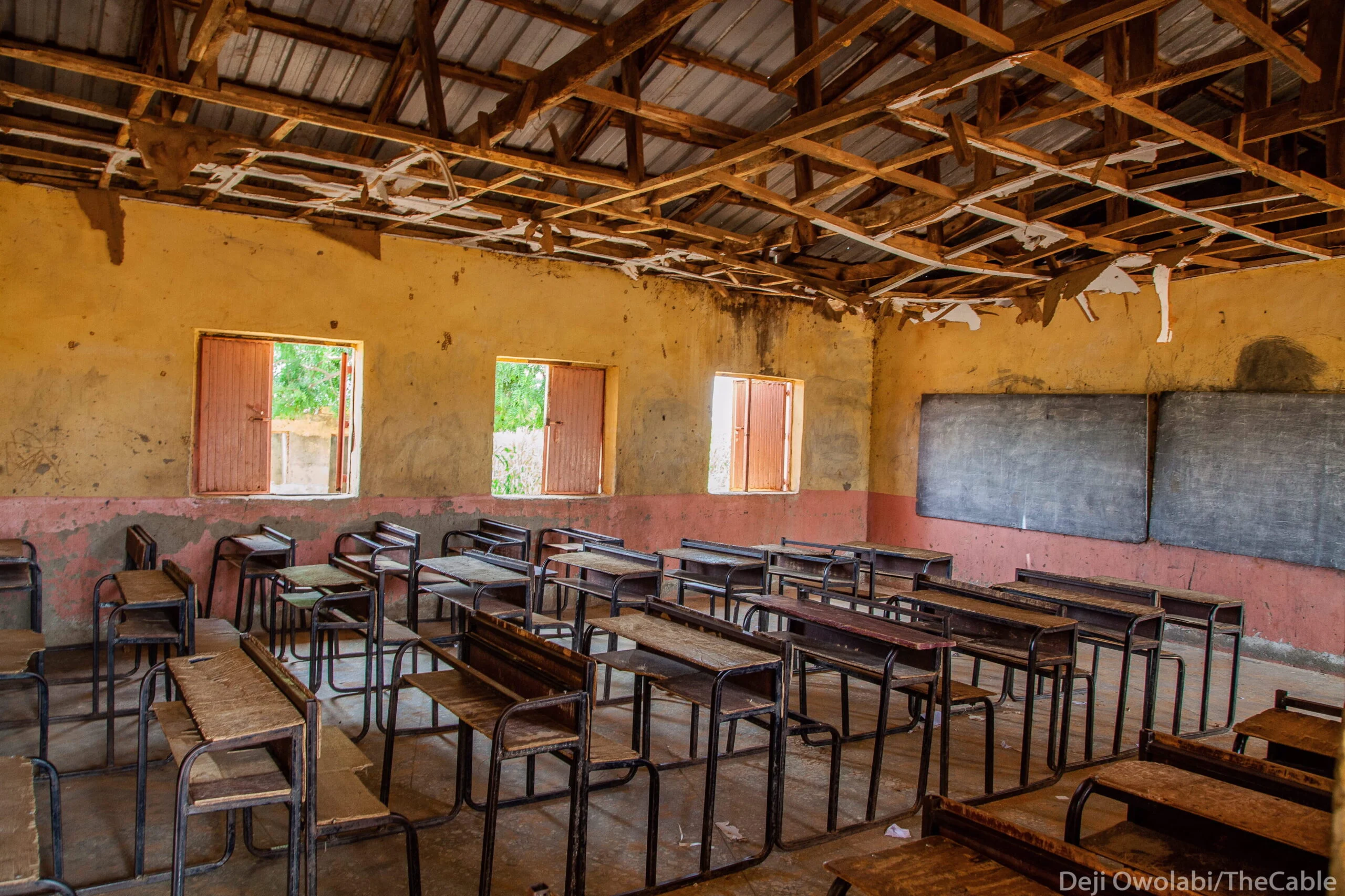
"Across our continent, conflicts are destroying schools, displacing teachers and depriving millions of children of their future. This is not merely a temporary interruption of learning; it is a generational wound that can deepen poverty, instability and renewed conflict," Ambassador Sekete said.
Ambassador Sekete urged African countries to integrate education into early-warning systems, humanitarian operations, peace-support missions and post-conflict reconstruction programmes. She stressed that protecting education means protecting Africa's future. "Even countries that are at peace have a responsibility to stand with children trapped in conflict and displacement. No African child should lose the right to learn because of circumstances beyond their control," she said.
Concrete Commitments and New Funding
A significant outcome of the session was the announcement of $2.5 million in funding from the European Union to support the implementation of a continental policy framework aimed at protecting education during conflict and ensuring learning continuity in crisis-affected areas across Africa.
The funding will enable the African Union to coordinate a coherent and systematic approach to ensure safe, equitable and inclusive educational opportunities for children and youth affected by crises and emergencies across the continent.
The session also called for attacks on schools, the military occupation of educational institutions, and violence against learners and teachers to be systematically documented, investigated and addressed through national, regional and continental accountability mechanisms.
A Framework for Action
The session emphasised that a comprehensive and robust continental framework was essential to safeguard education during conflicts and crises to ensure learning continuity. Ambassador Sekete noted that "the development of a continental framework and the funding provided by the European Union represent tangible progress, but we must now move swiftly from policy to implementation."
Participants underscored the need for African governments to allocate domestic resources to education in emergencies, integrate education into humanitarian responses and develop national policies to protect schools and educational institutions from attacks.
The session also highlighted the critical role of teachers in sustaining education during crises and the need to protect them from violence and displacement. The establishment of safe learning spaces and the provision of psychosocial support for learners affected by conflict were identified as essential components of an effective response.
The Scale of the Crisis
The session came against the backdrop of escalating conflicts across Africa that have disrupted education for millions of children. In Sudan, more than 14 million children have been affected by the ongoing civil war, with schools destroyed, damaged or occupied by armed groups. In the Democratic Republic of Congo, armed groups have targeted schools and teachers, while in the Sahel, attacks on schools have become increasingly common.
The disruption of education has long-term consequences. Children who are out of school are more vulnerable to recruitment by armed groups, child marriage and other forms of exploitation. The loss of education also undermines the development of human capital, perpetuating cycles of poverty and instability.
The Role of International Partners
The European Union's funding commitment represents a recognition of the importance of protecting education in conflict situations and supporting learning continuity. The EU has been a consistent supporter of education in emergencies, including through its support for the Global Partnership for Education and Education Cannot Wait, a global fund for education in emergencies and protracted crises.
The session also called for increased coordination between humanitarian and development actors to ensure that education is integrated into emergency responses and that long-term education planning is not disrupted by crises.
With reporting from Lesotho News Agency, the African Union and the European Union.









Comments (0)
No comments yet. Be the first to share your thoughts!