


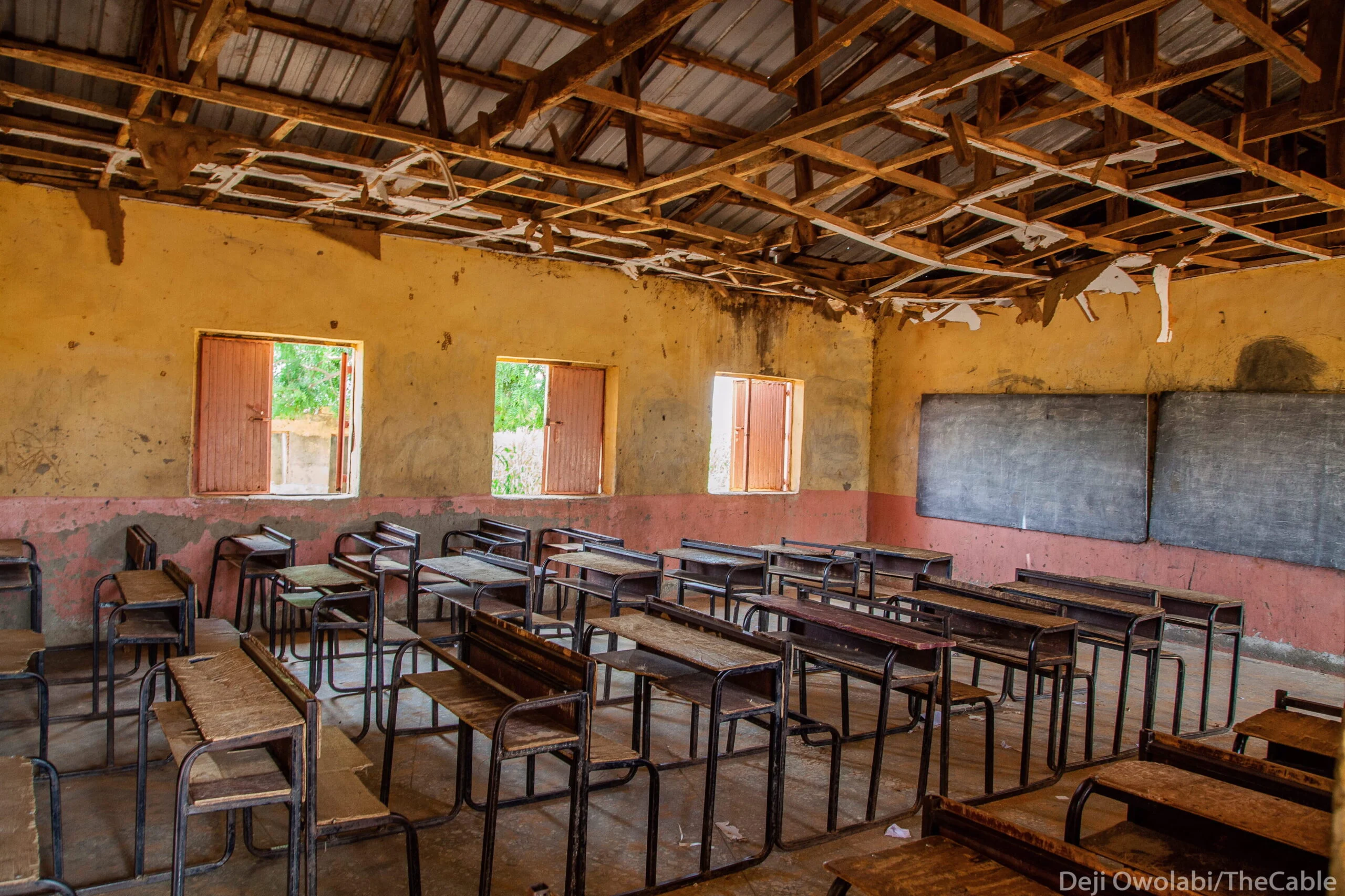
The Mastercard Foundation has emerged as a major education financier, supporting programs in Senegal, Rwanda and Ghana, including a $50 million investment in Rwanda's Leaders in Teaching program. Africa faces an estimated $77 billion annual education financing gap, while 98 million children remain out of school and nine in 10 children cannot read adequately by age 10, according to UNESCO.
The Growing Role of Philanthropic Funding
Philanthropic foundations are playing an increasingly significant role in African education as governments face budget constraints and rising demand for digital skills. These foundations increasingly finance training programs, infrastructure and institutional support. Their role can therefore extend beyond financial assistance and influence the design of national education policies.
Across Africa, governments are increasingly using a similar model to finance education. International private foundations partner with public ministries or universities to support teacher and student training programs.
Senegal provides the latest example. On Wednesday, Aug. 5, Dakar officially launched a third certification program in digital technologies and artificial intelligence targeting 105,000 members of the national education system. Behind the government initiative, the Mastercard Foundation has played a key role. Since 2021, the foundation has co-financed the Formations ouvertes pour le renforcement des compétences, de l'emploi et de l'entrepreneuriat dans le numérique (FORCE-N) program with Cheikh Hamidou Kane Digital University (UN-CHK).
In Rwanda, the same private philanthropic organization invested $50 million in the Leaders in Teaching program. The initiative aims to transform teaching practices among 250,000 secondary-school teachers. The National University of Rwanda has also trained more than 26,000 professionals with funding from the foundation.
In Ghana, the Mastercard Foundation supports the Kwame Nkrumah University of Science and Technology (KNUST). The university has also received the Africa Higher Education for Transformation (AHEFT) Prize, which provides $500 million over 10 years to support higher-education transformation in Africa.
Three countries therefore use three different approaches with the same major funder operating in the background. Other countries, including Kenya and Nigeria, have also entered similar partnerships.
When Private Funding Shapes Education Priorities
The model has become established. The Toronto-based foundation does not transfer funds directly to governments. Instead, it builds agreements with public universities, ministries and local organizations. Through these partnerships, the foundation can influence the certifications that institutions deliver, the teaching tools that they adopt and the skills that education systems prioritize.
Training teachers in artificial intelligence also influences the technology platforms that enter classrooms. Digital-skills programs can direct educators toward specific technology ecosystems. Teachers who receive that training can then become channels for wider adoption of those platforms in their classrooms.
The Foundation for a New Model
The Mastercard Foundation is expanding its long-standing partnerships with the Campaign for Female Education (CAMFED) and the Forum for African Women Educationalists (FAWE) to support over 70,400 young women and girls facing the most significant financial and social barriers to education and building a livelihood.
The investment to CAMFED over the next six years will support the transition of 62,000 girls in Tanzania, Zambia, Zimbabwe, Ghana, and Malawi into secondary and tertiary education, employment, and entrepreneurship while partnering to improve education systems for millions of young people.
The extended seven-year FAWE and Mastercard Foundation partnership will bolster access to tertiary education, post-secondary technical vocational and educational training (TVET), and job opportunities for over 10,500 young people, primarily in Uganda, Rwanda, Zambia, Ethiopia, Malawi, Ghana, Liberia, Tanzania, Zimbabwe, and Senegal.
Public Education Under Philanthropic Support
According to UNESCO, African countries face an annual education financing gap of $77 billion to meet their education targets. Sub-Saharan Africa recorded an adult literacy rate of only 69% in 2020, according to UNESCO. The region also has 98 million children out of school, while nine out of 10 children cannot read properly by age 10.
Governments face significant budget pressures as they confront these challenges. In the short and medium term, they have few alternatives to external funding. Philanthropic foundations therefore provide resources, expertise and programs that public budgets often cannot finance.
The challenge now lies in turning these partnerships into sustainable drivers of education-system development. Governments must ensure that the skills, training content and infrastructure that partnerships deliver align with national priorities. Ultimately, governments aim to use philanthropic funding as an accelerator for local capacity rather than as a permanent substitute for public investment.
With reporting from Ecofin Agency, Mastercard Foundation, and the Association for the Development of Education in Africa.











Comments (0)
No comments yet. Be the first to share your thoughts!