


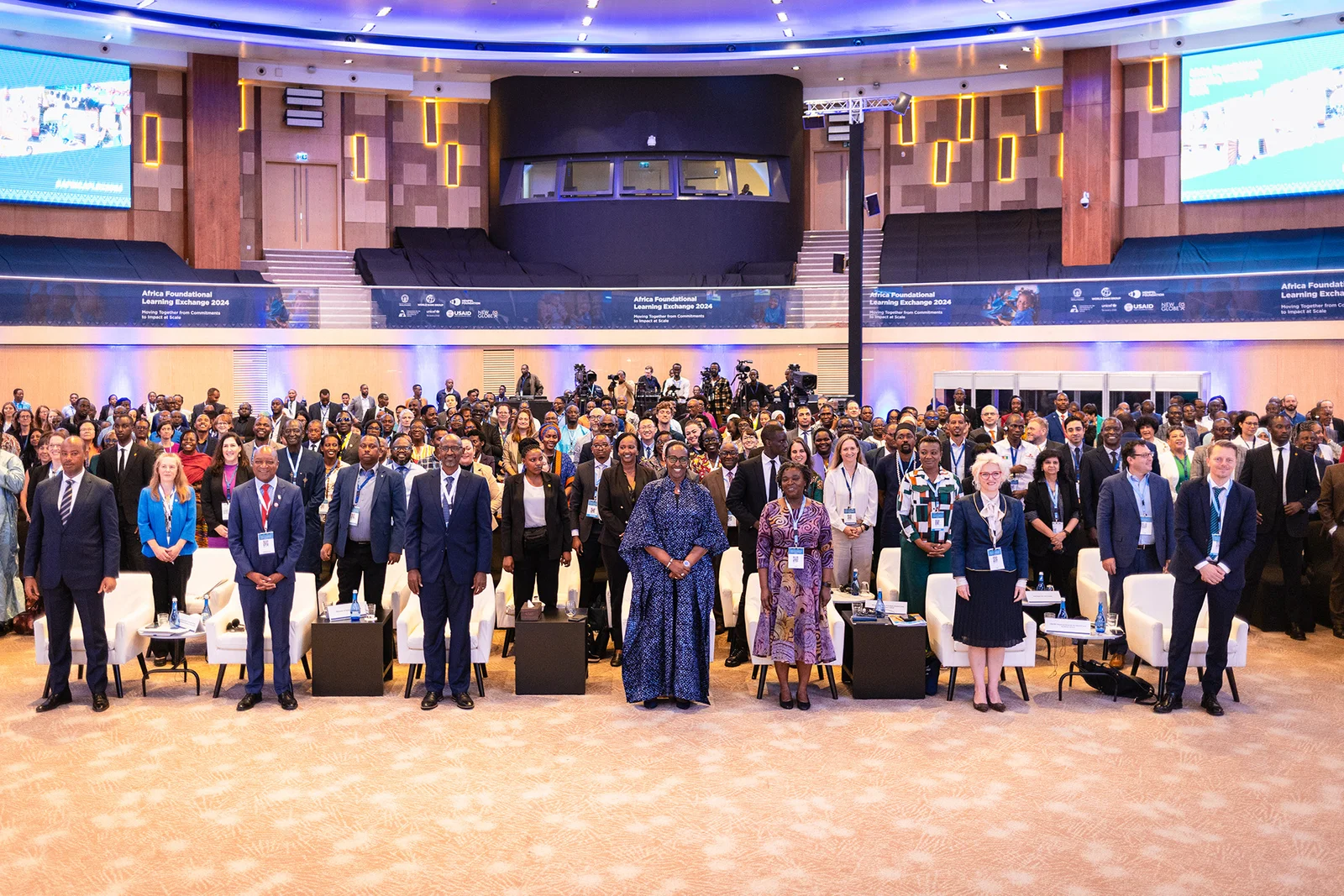
The three-day summit, hosted by the Government of Malawi in partnership with the Association for the Development of Education in Africa, brought together ministers, permanent secretaries and senior education officials who agreed on a coordinated strategy to improve literacy, numeracy and critical thinking among children across the continent.
New Financing Platforms and Commitments
A major outcome of the conference was the launch of the Foundational Learning Initiative for Government-Led Transformation, a new philanthropic financing platform that will mobilise $35 million to support government-led education reforms across Africa.

The Global Partnership for Education also announced an additional $37 million in funding for countries including Lesotho, Namibia, Zambia and Zimbabwe, while the World Bank reaffirmed support through its $1.5 billion AIM4Learning programme, part of its broader $16 billion education portfolio across Africa.
The $37 million pledge from the Federer Foundation will unlock GPE's Multiplier mechanism, an innovative finance tool that incentivises additional external funding to transform education systems. The funding aims to support early and foundational learning in Lesotho, Malawi, Namibia, Zambia and Zimbabwe, with $2.5 million specifically designated for early learning in Namibia in partnership with the Education Outcomes Fund.
"Investing in early education is investing in the future of children, families and societies at large," said Maya Ziswiler, CEO of the Federer Foundation.
Six Priority Areas for Action
The participating governments adopted six priority areas to drive implementation over the next decade:
- Strengthening political leadership
- Increasing financing for foundational learning
- Improving data and accountability systems
- Scaling evidence-based teaching practices, including the use of artificial intelligence and education technology
- Enhancing coordination among development partners
- Improving access to quality education for vulnerable and hard-to-reach children
Progress Already Underway
Delegates cited successful education reforms already underway in several countries. Tanzania's MEWAKA coaching programme improved reading proficiency from 64 per cent in 2021 to 90 per cent in 2025, while Nigeria has expanded its Teaching at the Right Level initiative to approximately 12,000 schools. Malawi's Building Education Foundations through Innovation and Technology programme has reached nearly 890,000 pupils and trained about 17,900 teachers.
"Countries are going through very tough fiscal pressure, but it is not just about getting resources. It is how we use those resources that matters," said Albert Nsengiyumva, Executive Secretary of ADEA, stressing the need for accountability and continuity in education reforms.
The Scale of the Challenge
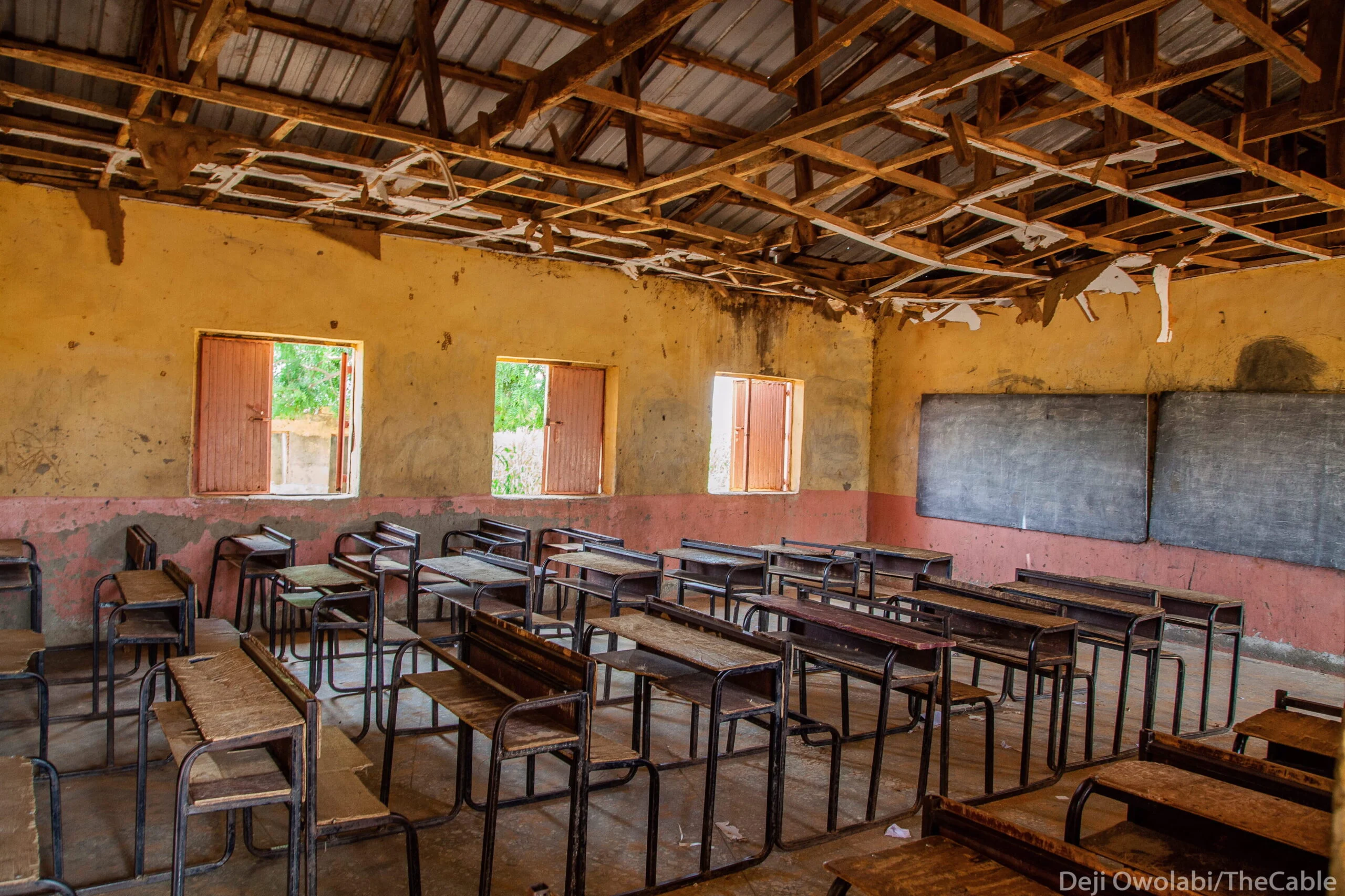
Across much of Africa, as many as nine in every 10 children aged 10 years are unable to read a simple sentence or perform basic mathematics with understanding, a challenge experts warn could undermine future productivity, workforce competitiveness and economic development if left unaddressed.
The FLEX conference, held under the theme "From commitment to results: Delivering foundational learning at scale," served as the premier pan-African platform for education ministers and senior government officials to exchange knowledge and engage with technical and financial partners, the private sector, civil society organisations, researchers and local implementers.
From Commitments to Implementation
Malawi's Minister of Education, Science and Technology, Bright Msaka, said the focus must now shift from commitments to implementation. He noted that African governments were no longer seeking additional declarations but were determined to return home and execute agreed reforms that would improve learning outcomes.
Participants also heard directly from pupils of Nkwiji Primary School in Malawi, who appealed for better learning materials in local languages, qualified teachers, climate-resilient schools and inclusive education for children with disabilities.
The next edition of the Africa Foundational Learning Exchange will be hosted by Abidjan, Côte d'Ivoire, in 2028, where governments are expected to report progress on the commitments made in Malawi.
With reporting from The Guardian Nigeria, Global Partnership for Education, Daily Nation and the African Union.







Comments (0)
No comments yet. Be the first to share your thoughts!