



From a first-of-its-kind parliamentary inquiry in Zambia to expanded financial oversight in Kenya, legislatures are moving beyond symbolic commitments to ensure that governments deliver on promises to improve learning outcomes.
Zambia Leads with First Parliamentary Inquiry into Foundational Learning
The Zambian Parliament's Committee on Education, Science, and Technology has published a groundbreaking report on foundational literacy and numeracy in primary schools, making it the first parliamentary inquiry of its kind in Africa.

The investigation examined data on learning outcomes, teacher training and support, the quality and availability of teaching materials, and the distribution of resources between rural and urban areas.
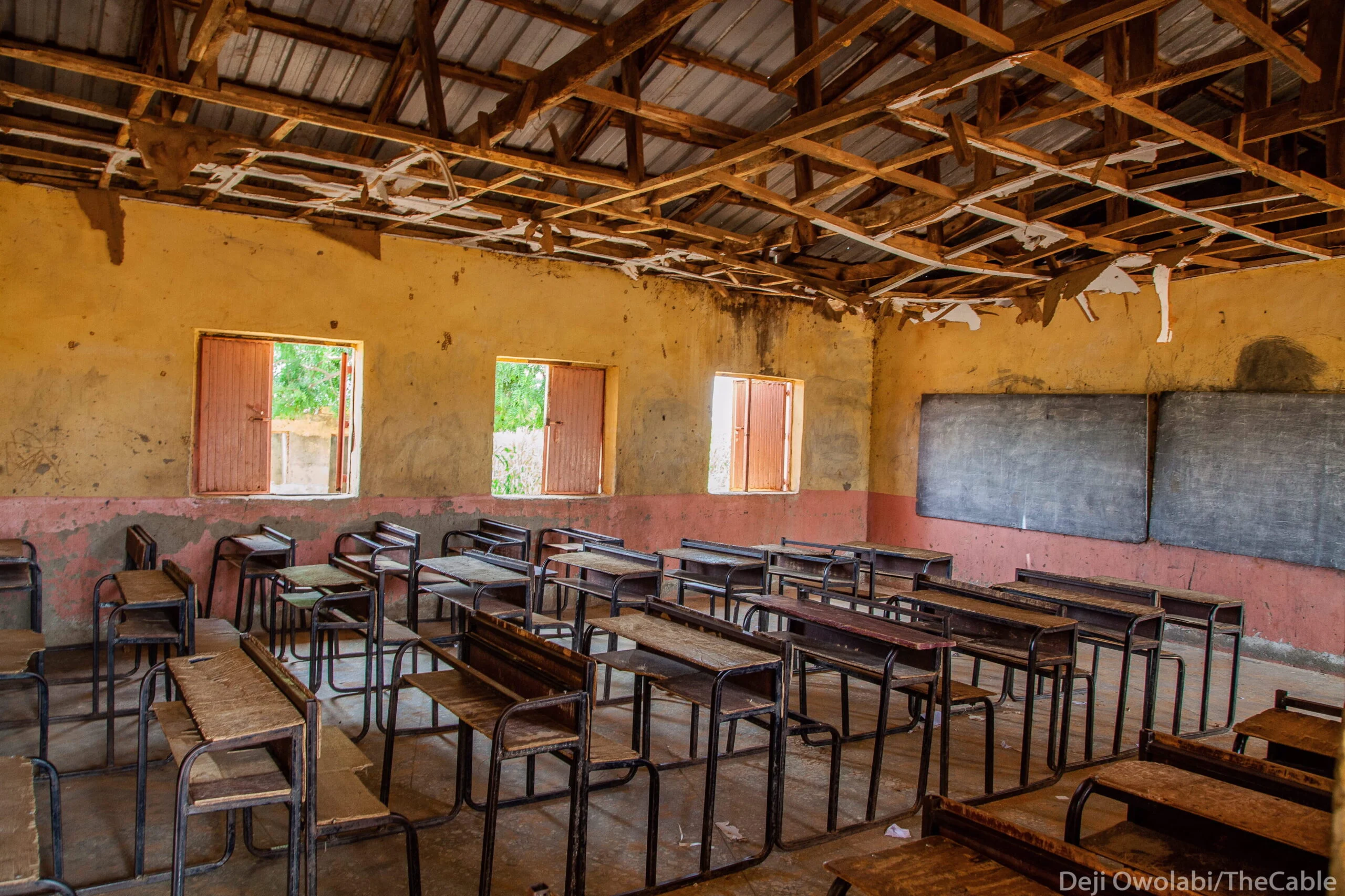
The findings were stark: a 2024 national study found only 14.4% of Grade 4 pupils reached or exceeded the expected level in mathematics, and only 12.7% did so in reading.
"You can't build a house without a strong foundation. It is the same for our children. We must build strong foundations of reading, writing and numeracy to help them to continue through the grades and go onto secondary education," said Hon. Harry Kamboni MP, Chair of the Committee.
The inquiry identified encouraging progress, including the success of Zambia's Catch-Up Programme, which supports teachers to use the "Teaching at the Right Level" approach to provide targeted support to children who are not meeting expected standards.
The Committee's report called for stronger pre-service and in-service teacher training, more regular professional support, better distribution of teachers and materials, and deeper engagement with parents and development partners.
The Government is now required to provide a formal response to the Committee's recommendations. The inquiry was informed by expert evidence from the International Parliamentary Network for Education, which submitted global evidence on effective approaches to teaching literacy and numeracy.
Kenya Expands Oversight to Secondary Schools
The National Assembly's Public Investments Committee on Governance and Education will for the first time summon principals of public secondary schools to answer questions on their management of public funds following the submission of Auditor-General's reports covering the institutions.
Committee chairperson Dick Maungu said the decision followed the receipt of audit reports on secondary schools, exposing a gap in parliamentary oversight despite schools managing substantial public resources.
"Sometimes we examine a TVET institution with about 120 students managing less than Sh10 million, yet a secondary school with more than 2,000 students and substantial resources has never appeared before any parliamentary committee," Maungu said.
The committee has identified several areas of concern in the audit reports, including procurement irregularities, unaccounted funds and poor financial management. The hearing is expected to establish accountability and improve financial management in secondary schools.
Malawi: Parliamentarians Champion Foundational Learning
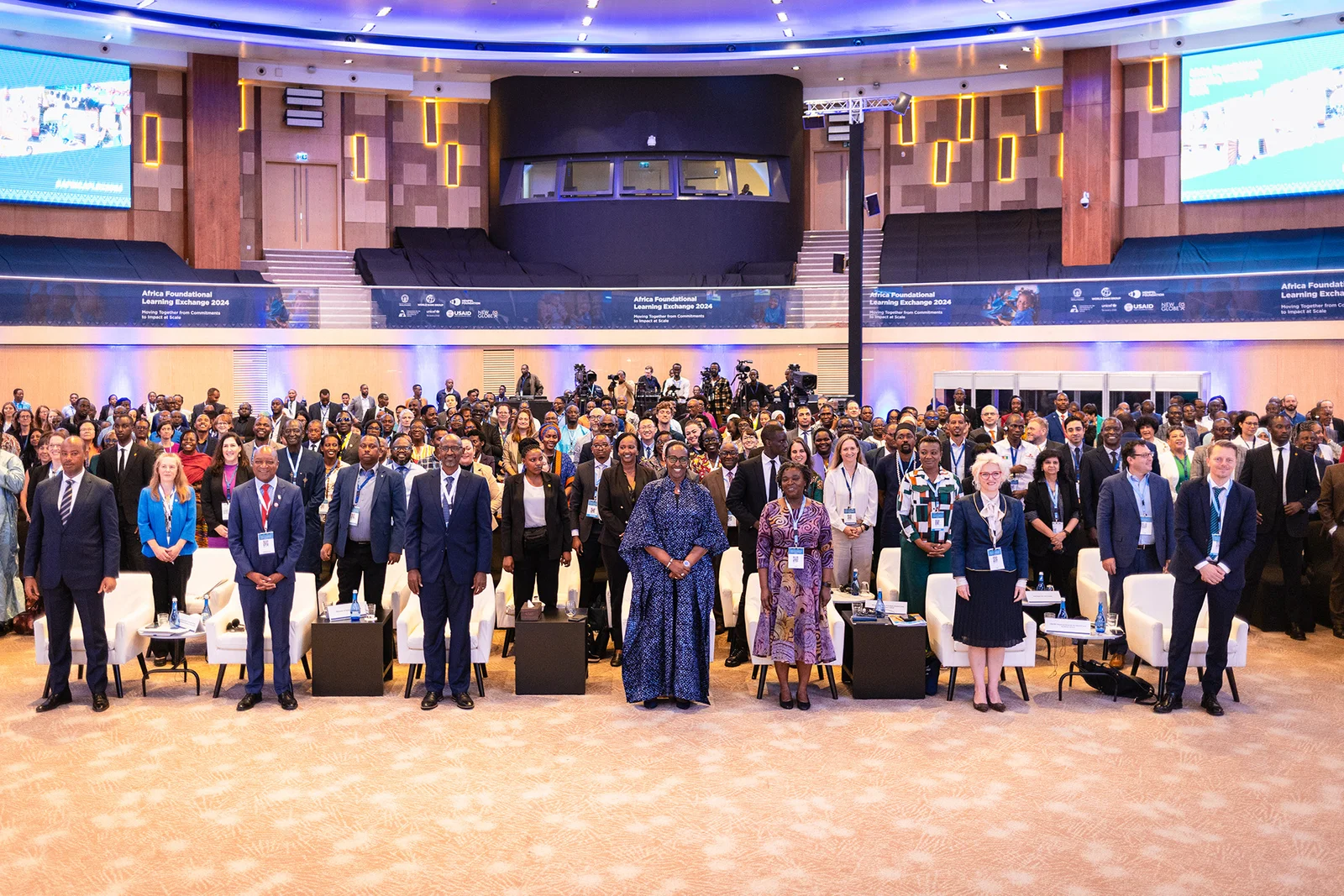
At the Africa Foundational Learning Exchange (FLEX 2026) in Lilongwe, Malawi, parliamentarians from across Africa emphasised the need for MPs to become champions of foundational learning, both to hold governments accountable and to invest in education as a cross-cutting driver of economic development.
Parliamentarians committed to strengthening oversight through the review of national budgets, tracking expenditure on education and ensuring that funds allocated for foundational learning reach schools. They also stressed the importance of engaging with teachers, parents and communities to understand the challenges facing education systems.
The International Parliamentary Network for Education took part in FLEX 2026 to highlight the role of parliaments in increasing and improving financing for education, and in providing oversight and accountability of government actions.
A Growing Role for Legislatures
The three initiatives represent a broader trend across Africa, where legislatures are increasingly using their oversight and budgetary powers to improve education outcomes. The trend reflects growing recognition that education is a cross-cutting investment with long-term implications for economic development, social cohesion and political stability.
Parliamentary inquiries, public hearings and budget reviews are becoming more common, with committees using evidence from civil society, academics and international partners to challenge government policies and demand better outcomes.
The International Parliamentary Network for Education has supported these efforts, providing training and technical assistance to parliamentarians on how to conduct effective oversight of education budgets and policies.
With reporting from the International Parliamentary Network for Education, the Parliament of Zambia, and the National Assembly of Kenya.








Comments (0)
No comments yet. Be the first to share your thoughts!