


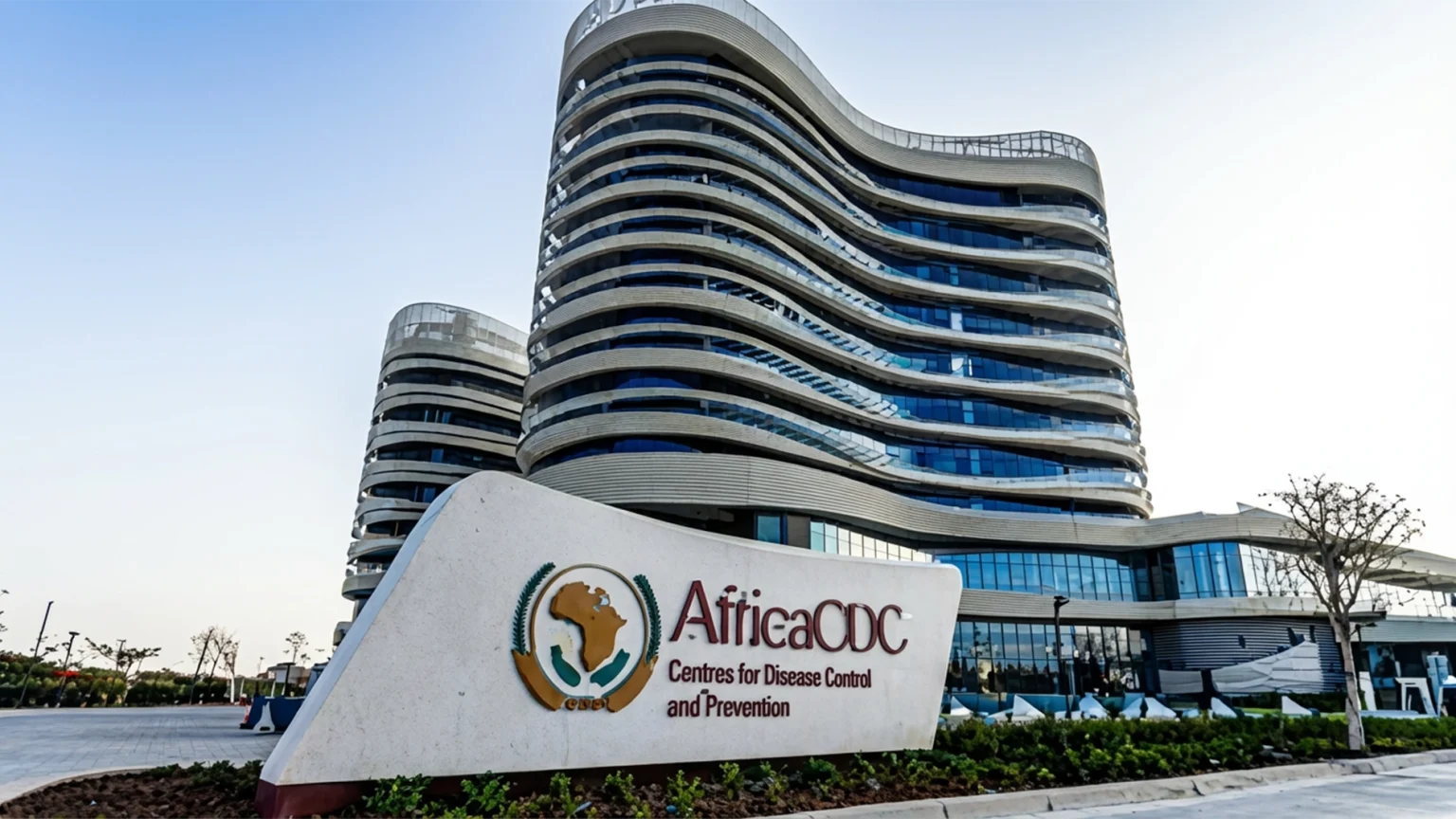
The additional cases were detected among individuals already under quarantine following exposure to the initial patient, including healthcare workers and family members. The Africa CDC noted that the early identification demonstrates the critical role of contact tracing, surveillance and timely isolation in interrupting transmission.
How the Outbreak Unfolded
The index patient was a Kenyan citizen who had been living in the DRC for seven years. He travelled by road from the DRC to Uganda, spent a night there, and then flew to Nairobi on 3 October 2026. He was admitted to hospital but died on 5 October, two days after arriving. The case was reported to the World Health Organization on 6 October.

Kenyan authorities moved quickly. By 7 October, Health Cabinet Secretary Aden Duale confirmed that 57 contacts had been identified and placed under monitoring, while screening had been intensified at points of entry. More than 652,000 travellers had been screened cumulatively, and 4,971 health workers had been trained on Ebola preparedness and response.
The Cases Multiply
The second case was confirmed on 13 October: a 39-year-old man, a close family member of the index patient, who had been in quarantine since 6 October and developed symptoms on 13 October. A third case followed on 16 October, a 65-year-old woman who was also a close relative and primary contact, and who had been in quarantine since 6 October.
On 17 October, four more cases were confirmed, bringing the total to seven. Three were health workers who had attended to the index patient between 3 and 4 October: two men aged 29 and 35, and a woman aged 32. The fourth was a close male relative of the deceased who had been in quarantine since 6 October. All four developed fever as their first symptom and were immediately isolated before samples were collected. Laboratory tests at the National Virology Reference Laboratory and the Kenya Medical Research Institute confirmed all four had contracted the Bundibugyo strain of Ebola.
The eighth case was confirmed on Sunday, 18 October: a 49-year-old patient attendant who had cared for the index patient and tested positive while in quarantine. This brought infections among health staff to four.
The Africa CDC's Response
The Africa CDC issued a statement on Saturday evening, before the eighth case was announced, acknowledging the four additional cases and reaffirming its support for Kenya.
The agency said the early detection of the four new infections demonstrated the critical role of contact tracing, surveillance and timely isolation in interrupting transmission and protecting communities. It commended the Kenyan government for its leadership, swift public health measures and transparent communication throughout the response.
"Africa CDC stands firmly alongside the government and people of Kenya," the agency said.
The Africa CDC also emphasised the importance of protecting frontline healthcare workers, who face significant risks while caring for affected patients, and underscored the need for infection prevention and control measures, appropriate protective equipment, training and continued support for health personnel.
Contact Tracing and Quarantine
Kenyan authorities reported that 128 of the 130 identified contacts (98.5 percent) had been traced and placed under quarantine, with efforts ongoing to locate the remaining two. The Ministry noted that this contact-tracing rate exceeds the 85 percent global benchmark considered necessary to break the chain of transmission.
The Ministry also confirmed there was no evidence of community transmission at that stage, and that the risk to the general public remained low. All the additional cases were detected among individuals already under quarantine, which reduced the risk of further transmission to their families and the wider community.
Four family members of the deceased index case who cared for him during his hospital stay were also being closely monitored and receiving mental health and psychosocial support.
The Regional Picture
The Kenya cases are directly linked to the ongoing Ebola outbreak in the DRC, which is the second-largest Ebola epidemic on record globally. By mid-October, the DRC had reported more than 9,000 confirmed cases and over 4,300 deaths.
The Africa CDC has repeatedly warned that the DRC outbreak makes regional preparedness urgent. The agency has called on member states to strengthen cross-border surveillance, share information faster and coordinate responses, while urging the public to follow national health guidance and report symptoms early.
The Bundibugyo strain of Ebola has no approved vaccine or treatment, which makes early detection and supportive care critical. Kenya's health authorities have designated isolation and treatment facilities with a combined capacity of 241 beds, and five laboratories are supporting the response with turnaround times of six to 12 hours.
Kenya has maintained that it remains open for business, with no restrictions on travel, trade or public gatherings. The Ministry has urged Kenyans to remain calm and vigilant, emphasising that Ebola spreads through direct contact with the blood or body fluids of an infected or deceased person and not through the air.
With reporting from the Africa CDC, Kenya News Agency, Citizen Digital, Xinhua, Anadolu Ajansı, Daily Nation, NewsGhana and KBC Digital.









Comments (0)
No comments yet. Be the first to share your thoughts!