


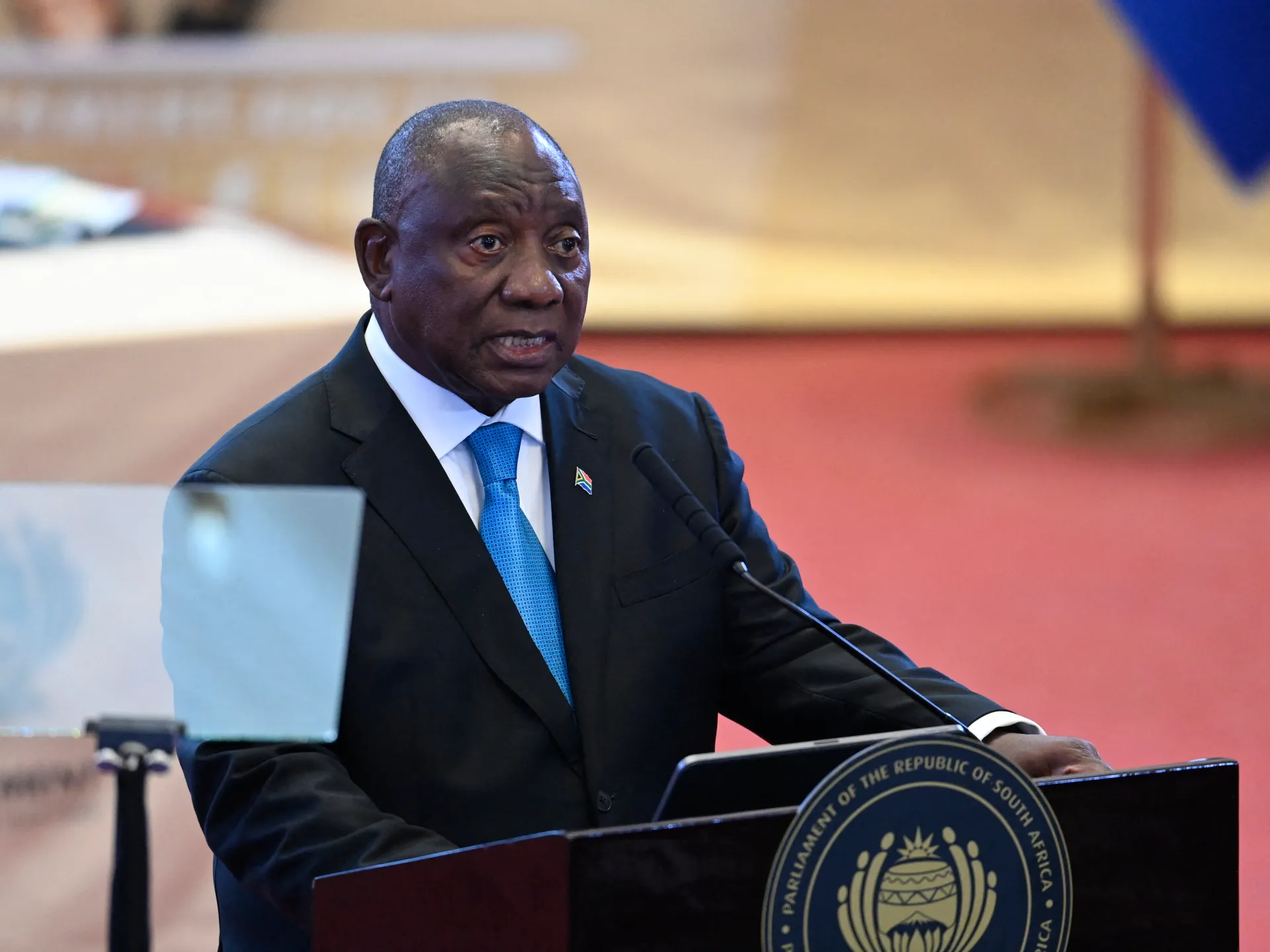
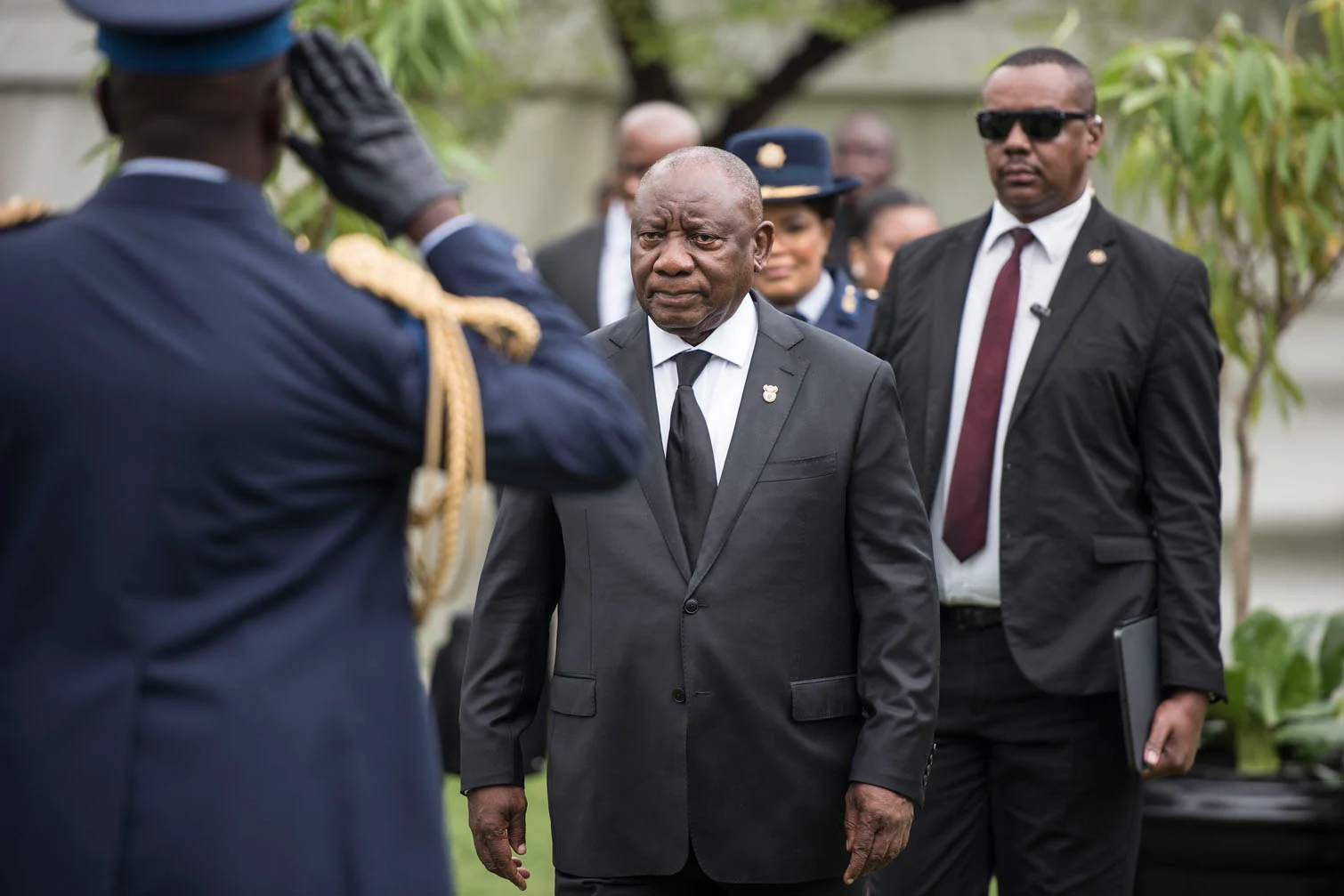
The impeachment process stems from the 2020 Phala Phala farm burglary, where approximately $580,000 in cash was reportedly stolen from Ramaphosa's private game farm in Limpopo. The scandal has haunted the President throughout his tenure and now threatens to destabilize the Government of National Unity.
ANC Proposes Two-Stage Approach
The African National Congress has proposed that the parliamentary committee first assess reports from the independent panel, the Public Protector and the South African Reserve Bank before deciding whether a full inquiry is necessary.

This approach would allow the committee to evaluate whether sufficient evidence exists to proceed with a full-blown impeachment inquiry. The ANC's position represents an attempt to manage the political fallout while potentially avoiding the spectacle of a sitting President being compelled to testify.
ANC Member of Parliament Cameron Dugmore said this approach is in line with the Constitutional Court judgment:
"We as the ANC have motivated very strongly for a two-stage process. We know certain reports have already been compiled, and it only makes sense that that's actually where we start".
Opposition Demands Immediate Testimony
Opposition parties, including the uMkhonto weSizwe (MK) Party and the African Transformation Movement (ATM), have taken a markedly different stance. They insist the inquiry should proceed immediately with Ramaphosa giving oral testimony.
The MK Party, led by former President Jacob Zuma, has been particularly vocal in its demands, viewing the impeachment process as an opportunity to hold the President accountable. MK Party deputy president Dr John Hlophe said Ramaphosa should be setting the stage for his impeachment inquiry by giving testimony first:
"The information is peculiarly within the knowledge of the president, so he doesn't have choice with respect".
The ATM's Vuyo Zungula dismissed the ANC's two-stage proposal:
"We can't say we are going to be listening to these particular institutions to make a determination if we can have another step. The step we are in now, is a full-blown trial".
Committee Deadlocked
On Wednesday, political parties failed to reach a consensus on the final terms of reference for the Section 89 inquiry. They will now begin a week of behind-the-scenes lobbying to iron out the differences in how they should proceed.
The deadlock reflects the broader political tensions within the Government of National Unity, where coalition partners must navigate competing interests while maintaining functional governance. The outcome of next week's meeting could determine whether the impeachment process advances or remains stalled indefinitely.
The committee is also considering the possibility of having the authors of the Section 89 Independent Panel Report appear before them. The three-member panel was chaired by former Chief Justice Sandile Ngcobo, together with retired Judge Thokozile Masipa and senior counsel Mahlape Sello.
Phala Phala: The Background
The Phala Phala farm burglary occurred in February 2020, when $580,000 in cash was stolen from Ramaphosa's private property. The money reportedly belonged to a Sudanese businessman who intended to purchase buffalo from the farm.
The President has maintained that the money was proceeds from the sale of game animals and that he reported the theft to authorities. However, the incident has raised questions about the source of the funds, compliance with foreign exchange regulations and the President's handling of the matter.
In November 2022, an independent panel appointed by then-National Assembly speaker Nosiviwe Mapisa-Nqakula found that there was "prima facie" evidence that Ramaphosa may have violated sections of the constitution and the Prevention and Combating of Corrupt Activities Act (PRECCA), with the aim of keeping the investigation of the burglary private.
Ramaphosa is separately challenging the panel's findings through a judicial review, which is scheduled to be heard from 2 to 4 September 2026.
Court Battle Intensifies
The President has filed an urgent application to halt the Section 89 impeachment proceedings pending the review of the independent panel report. The Western Cape High Court is set to deliver its ruling on Friday, 24 July 2026.
This follows a Constitutional Court ruling in May 2026 that the Section 89 panel's report on the Phala Phala scandal be sent back to Parliament, paving the way for an impeachment process against Ramaphosa to proceed.
Opposition to Court Intervention
Opposition parties have argued that the courts should not intervene in Parliament's constitutional duty to investigate the matter. Hlophe said the President's application was an attempt to stop a process already ordered by the country's highest court:
"We submit Ramaphosa is wasting time. You cannot interdict an inquiry which has already been directed by the apex court".
The EFF also opposed the application, with Treasurer General Omphile Maotwe describing it as a "delaying tactic". ATM parliamentary leader Vuyo Zungula warned that a ruling in the President's favour could create a precedent allowing future public officials to challenge investigations before they are completed.
Political Implications
The impeachment process comes at a delicate time for South Africa, with the Government of National Unity still finding its footing after the 2024 elections. A prolonged impeachment inquiry could distract from pressing economic issues and further polarize an already divided political landscape.
The ANC has shown reluctance to pursue impeachment aggressively, given Ramaphosa's position as the party's leader. However, the party cannot afford to appear to be protecting the President at the expense of accountability. The committee chairperson, Makashule Gana, has indicated that the committee will continue its preparatory work until a court orders otherwise.
Despite the political tensions, the constitutional and legal frameworks governing the impeachment process remain clear. The Section 89 inquiry provides a defined pathway for investigating allegations of serious misconduct against the President and the courts have affirmed the Parliament's duty to proceed with the process.
Nevertheless, significant obstacles persist. The lack of consensus on the terms of reference threatens to derail the process before it even begins, while the President's court application could further delay proceedings. Additionally, the deep political divisions within the Government of National Unity make it difficult to reach the cross-party consensus required for a smooth impeachment process.
The Western Cape High Court's ruling on Friday will be a critical moment. If the court rules in Ramaphosa's favour, the impeachment process could be halted indefinitely. If it rules against him, the committee will need to find a way to break the deadlock and proceed with its constitutional duty. The outcome of next week's committee meeting, and the behind-the-scenes lobbying that precedes it, will determine whether South Africa's political leadership can navigate this crisis without further destabilising the country's fragile coalition government.
With reporting from The Citizen, Xinhua, EWN, Mail & Guardian, SABC News, The Witness, and allAfrica.com.










Comments (0)
No comments yet. Be the first to share your thoughts!