

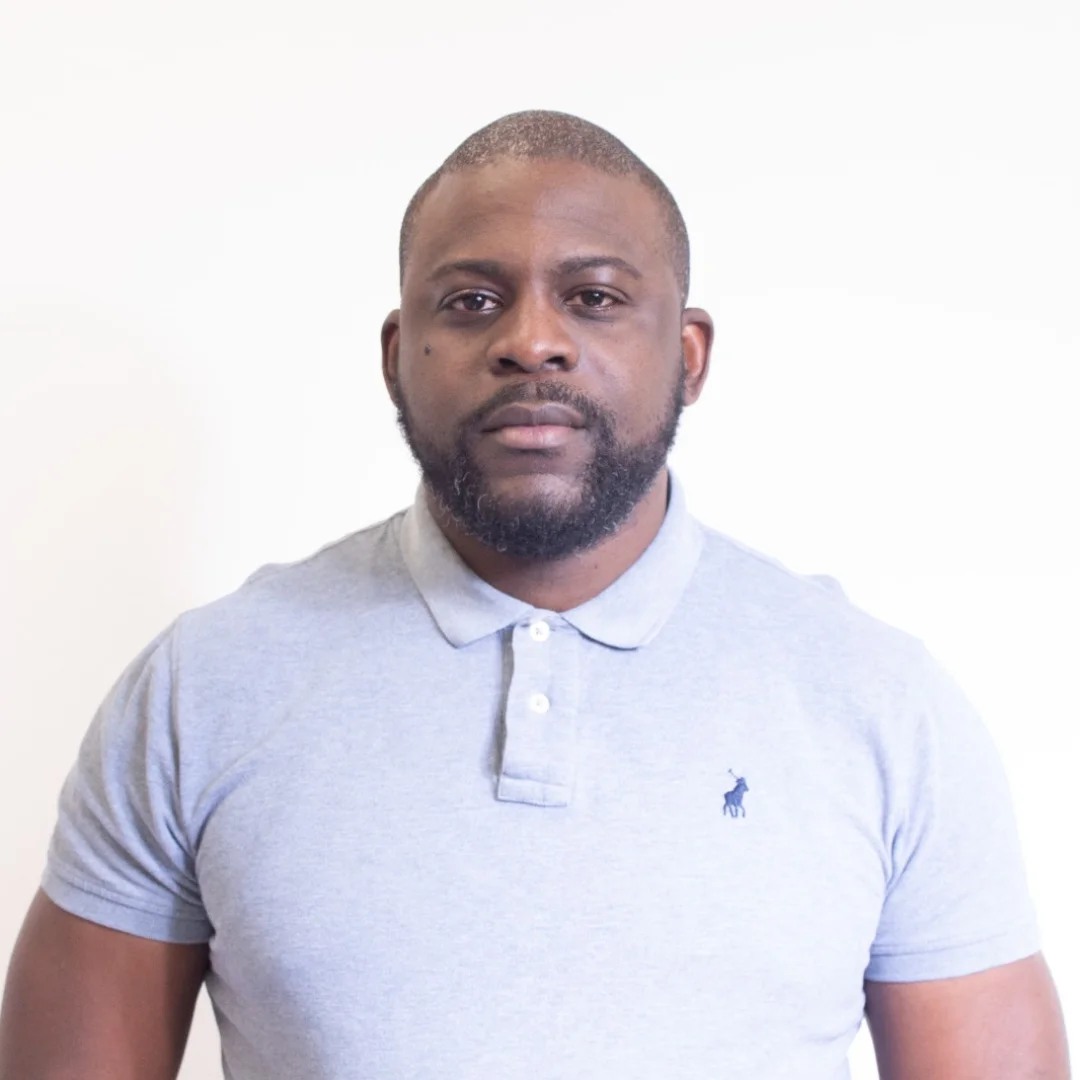

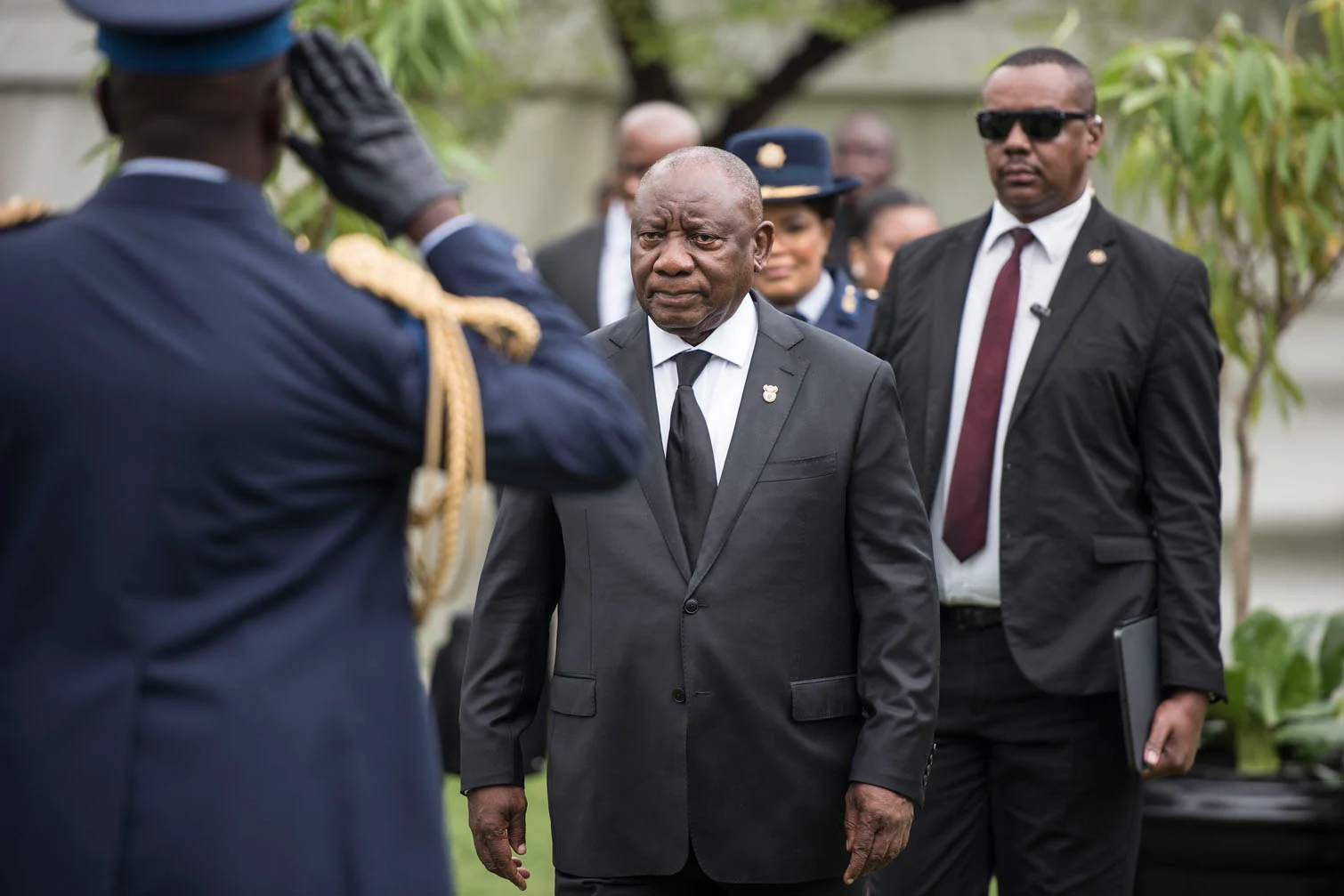
The announcement was made during the National Heritage Day celebrations at the Bongolethu Sports Stadium in Oudtshoorn, Western Cape, on Thursday. Ramaphosa's decision to address the nation comes amid heightened public anger and fear following the discovery of the women's bodies across Ekurhuleni over a two-month period.
A National Shame
In an emotional address, Ramaphosa declared that the abuse, rape and killing of women cannot be regarded as part of South Africa's heritage.

"The abuse, rape and killing of women is not our heritage. There is no culture worthy of the name that diminishes the dignity of women."
He described the pain and suffering of South Africa's women as a "national shame." The President said the country's celebration of its heritage must confront the realities that affect the daily lives of South Africans, particularly the unequal experience of freedom and safety.
"It is profoundly unequally lived by a man who can walk the streets without fear, and a woman who must constantly consider whether she will be safe."
Speaking at the same event, Ramaphosa expressed personal shame over the actions of men.
"I am ashamed of what we men are doing to the women of South Africa."
The Ekurhuleni Killings
The President's announcement follows the discovery of nine women's bodies in Ekurhuleni, east of Johannesburg, between July and September 2026. The victims were found across several communities, including Kempton Park, Pomona, Clayville, Olifantsfontein, Rhodesfield, Kwa-Thema and Dawn Park.
One of the victims, 38-year-old Elizabeth "Tsontso" Moselakgomo, was a mother and keen runner who disappeared after leaving her home to go for a run on 9 September. Her body was discovered behind a hotel in Rhodesfield three days later.
The killings have triggered widespread fear and anger, with the Gender-Based Violence Command Centre recording a 21 percent increase in calls between 1 and 16 September compared to the previous month. On 16 September alone, the centre received 589 calls, the highest daily number recorded during the period.
Government Response and Investigation Progress
The Inter-Ministerial Committee on Gender-Based Violence and Femicide has approved a Comprehensive Emergency Strategy to address the crisis, aligned with the National Strategic Plan on GBVF. The strategy includes a multidisciplinary specialised investigation team, increased police visibility, and multi-disciplinary enforcement of by-laws.
The investigation has been elevated to be coordinated by the Deputy National Commissioner for Detective Services. Top police officials, including KwaZulu-Natal Police Commissioner Nhlanhla Mkhwanazi and Crime Intelligence head Dumisani Khumalo, have been roped in to assist.
Acting Police Minister Firoz Cachalia confirmed that three persons of interest have been taken in for questioning, though investigations have not conclusively confirmed that a serial killer is behind the murders.
"These investigations have not confirmed conclusively that we are dealing with a serial killer because all the cases are not necessarily linked and there is some indication of a different modus operandi as well as different motives."
Acting Deputy National Commissioner for Crime Detection, Hilda Senthumule, told Parliament that police have managed to identify persons of interest and that forensic investigations are playing a role in linking them to some of the bodies.
A Broader Crisis
The killings have reignited national anger over South Africa's persistent gender-based violence crisis. According to the latest SAPS quarterly crime statistics covering April to June 2026, 569 women were murdered in just three months—approximately six women every day.
In the 2025-26 financial year, South Africa recorded 50,511 GBVF cases, but only 30,736 resulted in arrests and/or referrals to the National Prosecuting Authority, leaving nearly 20,000 cases without further action.
President Ramaphosa has committed to deploying "more money, more resources, more technology" to address women's safety concerns. He stressed that the government must take responsibility for protecting women and that they should be able to walk on the streets without fear.
The President also called on South Africans to tackle the country's challenges collectively, identifying unemployment, GBV, corruption, and alcohol and drug abuse as the "common enemy" facing the nation today.
"We must tackle these problems together, like our forebears did when they fought side by side until they defeated apartheid. Our common cause today is bringing about the conditions in which every South African can truly live the freedom that was promised them in 1994."
The nation now awaits the President's full address, which is expected to outline concrete measures to address the crisis and provide further details on the investigation into the killings that have shaken the country.
With reporting from SAnews.gov.za, SABC News, The Presidency, EWN, The Citizen and TimesLIVE.








Comments (0)
No comments yet. Be the first to share your thoughts!