

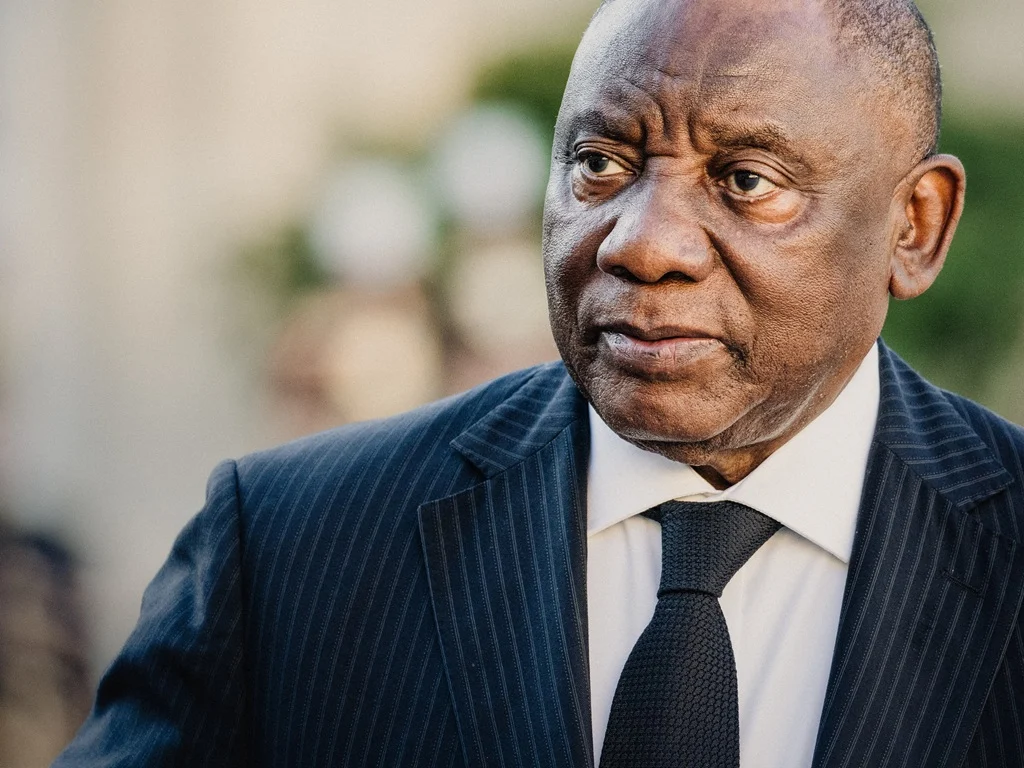
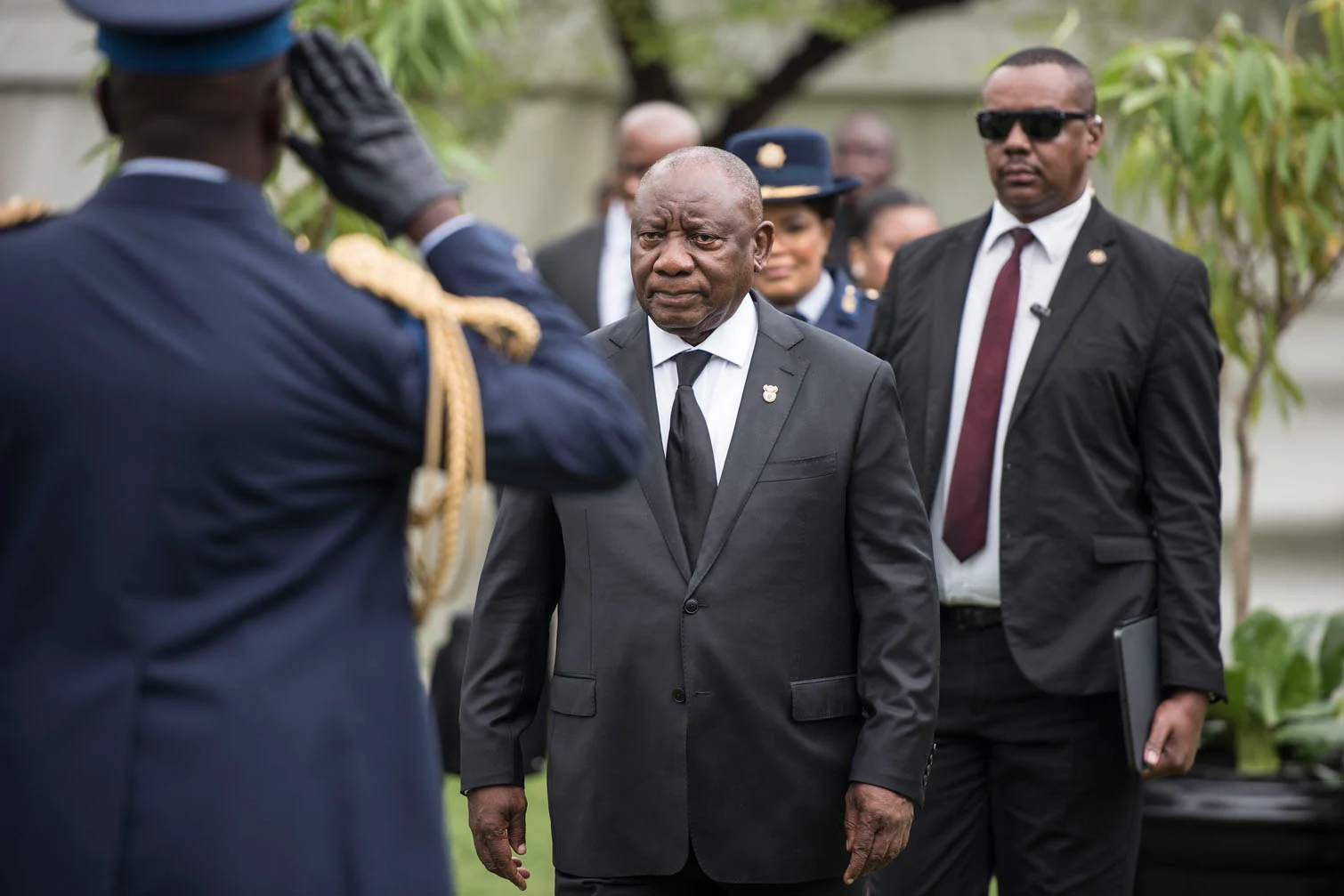
Speaking at the 46th Ordinary SADC Summit in Durban, Ramaphosa said South Africa was "deeply concerned and ashamed" that nationals from other countries had been subjected to discrimination and ill-treatment in recent months. The summit, held under the theme "Resilient, sustainable and inclusive industrialisation through Infrastructure Development, Agricultural and Critical Minerals Transformation in Pursuit of a Just World", saw Ramaphosa pledge to deepen regional integration while safeguarding peace, security and democracy.
"We Cannot Preach Integration and Practise Exclusion"
The migration crisis, sparked by weeks of anti-migrant protests in South Africa that forced more than 176,000 foreign nationals to flee the country, has become the most pressing challenge facing the region. Ramaphosa's remarks at a public lecture on the eve of the summit set the tone for the bloc's engagement on the issue.

"As South Africans, we are deeply concerned and ashamed that nationals from other countries have in recent months been subjected to discrimination and ill-treatment," Ramaphosa said. "We cannot preach integration at summits and practise exclusion in our streets."
The president acknowledged the criminal actions of some foreign nationals but warned that such conduct could not be used to justify hostility towards migrants more broadly. "The criminal actions of a few within our communities are a repudiation of the solidarity upon which this Community was founded," he said.
A Regional Approach to Migration
International Relations Minister Ronald Lamola briefed the SADC Council of Ministers on the violence targeting migrants in South Africa, emphasising that the region must take "greater ownership of the migration narrative." Lamola said South Africa had shared details of government interventions aimed at preventing further incidents and addressing concerns raised by neighbouring countries.
Lesotho's Foreign Affairs Minister Limpho Tau welcomed South Africa's decision to table the migration issue at the summit, noting that the matter affects the entire region. "We are happy that we can even consult and engage on the issue of migration not only as South Africa but also as a region because we deem it a collective responsibility for us," Tau said.

Push for Free Movement Protocol
At the summit, South Africa renewed its push for the ratification of SADC's long-standing Free Movement Protocol, which was initiated in 2005 but has yet to be adopted as policy because six of the 16 member states have refused to sign it. The protocol aims to better regulate the movement of people, goods and industry between SADC countries.
"Migration remains an issue, and we want to encourage members of SADC to sign and ratify the free movement protocol which will enable orderly and regular migration," Lamola said. "Even when it says free, it doesn't mean it's a free-for-all; it means migration must be regulated and done within the law."
Anti-Migrant Protests Overshadow Summit
About 300 anti-migrant protesters marched to the summit venue on Monday, demanding that regional leaders "fetch their people" from South Africa. Helicopters and drones flew overhead as police on horseback and motorbikes marshalled the group to the perimeter of the venue.
"We are here to tell you to come and fetch your people who are here in South Africa illegally," said march leader Jacinta Ngobese-Zuma, referencing Malawi, Mozambique and Zimbabwe, whose citizens made up the bulk of those who departed. At least four migrants were killed in the violence, according to South African police, though some foreign governments say the toll is higher.
Addressing the Root Causes
Ramaphosa used the summit to reiterate his call for a comprehensive approach to migration that goes beyond enforcement. "Migration pressures cannot be addressed through enforcement measures alone. They require peace where there is conflict, economic growth where there is stagnation, and opportunity where there is poverty," he said ahead of the summit.
He called on the region to address the conditions driving people to leave their countries, including conflict, instability, governance failure, poverty and social discord. "We need to create equal economic opportunity across Africa. We seek a region where people move out of choice, not out of desperation," Ramaphosa said at a public lecture in Durban.
With reporting from SABC News, The Witness, CHANNELAFRICA, Sputnik Africa, EWN, Cape Town ETC, TRT Afrika and African News Agency.








Comments (0)
No comments yet. Be the first to share your thoughts!