

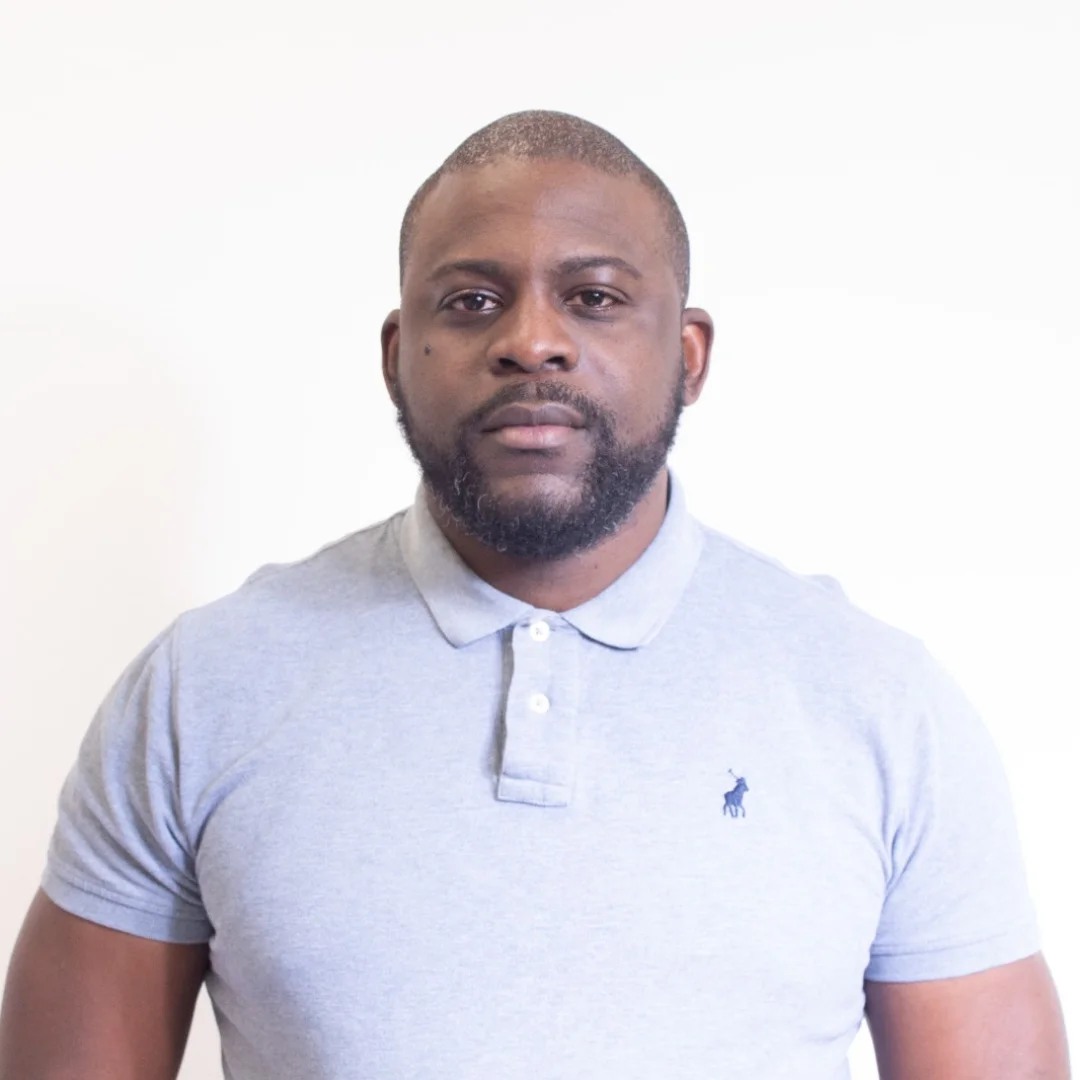

The transition took place at the Julius Maada Bio International Conference Centre in Freetown, with Bio presiding over the summit before stepping down from the rotating seat. The Senegalese leader, at 46 one of Africa's youngest presidents, assumes leadership of the regional organisation at a time of significant security, institutional and economic challenges.

A Crucial Moment for West Africa
Faye takes the helm as ECOWAS grapples with security threats, democratic setbacks and the withdrawal of Mali, Burkina Faso and Niger, which formed the Alliance of Sahel States after severing ties with the regional bloc. The departure of the three countries continues to dominate the regional agenda and presents the most significant challenge to ECOWAS since its founding in 1975.
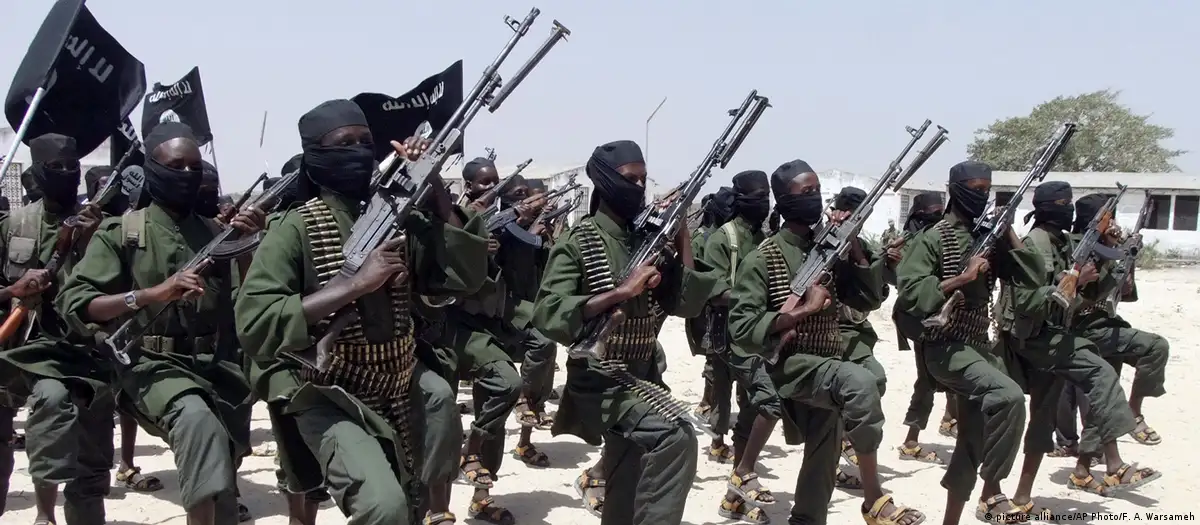
Addressing fellow leaders, Faye described West Africa as "a region weakened by terrorism" and the regional economy as "resilient but still vulnerable". He underscored the urgent need for institutional reform and operationalising the regional counter-terrorism force, urging the bloc to pool resources, strengthen its financial autonomy, and better protect communities affected by insecurity.
Bio's Tenure and Farewell Address
Outgoing Chairman Julius Maada Bio was widely credited with advancing regional integration, peacebuilding and cooperation across West Africa during his one-year tenure. In his farewell address, he urged member states to prioritise investments in citizens through food security, climate resilience, regional trade and accountable governance.
"A region that thinks together strengthens every Member State. A region that acts together secures a more peaceful, prosperous and resilient ECOWAS".
Bio stressed that the bloc's future would be determined by implementation rather than declarations, calling for measurable outcomes and stronger regional cooperation.
"Having completed my mandatory one-year tenure as Chair of the ECOWAS Authority, I am pleased to pass the baton to my younger brother, His Excellency Bassirou Diomaye Diakhar Faye, President of the Republic of Senegal," Bio said.
Key Summit Decisions
The one-day summit focused on the future of regional integration, the political and security situation in West Africa, institutional reform and the financial sustainability of the regional bloc. Several significant decisions were made:
New Commission President – The Authority appointed General Birame Diop of Senegal as the next President of the ECOWAS Commission for the 2026-2030 term. A former minister of the armed forces of Senegal and former chief of the general staff, Diop has also served as Military Adviser to the UN Secretary-General . He will assume office on September 1 at the ECOWAS Commission headquarters in Abuja, succeeding Dr Omar Alieu Touray of The Gambia.
Regional Infrastructure – Leaders signed the Inter-Governmental Agreement for the African Atlantic Gas Pipeline (AAGP) Project, an ambitious regional infrastructure initiative intended to improve energy connectivity and support industrial growth across participating countries.
Gender Parity Commitment – Member States committed to achieving 40 percent gender parity by 2028 and 50 percent by 2035 across regional institutions and decision-making processes.
Compact for the Future – The Declaration of Commitment to the Compact for the Future of Regional Integration was signed, a strategic framework designed to deepen cooperation, strengthen regional institutions and promote economic transformation.
Nigeria's Role and Xenophobia Condemnation
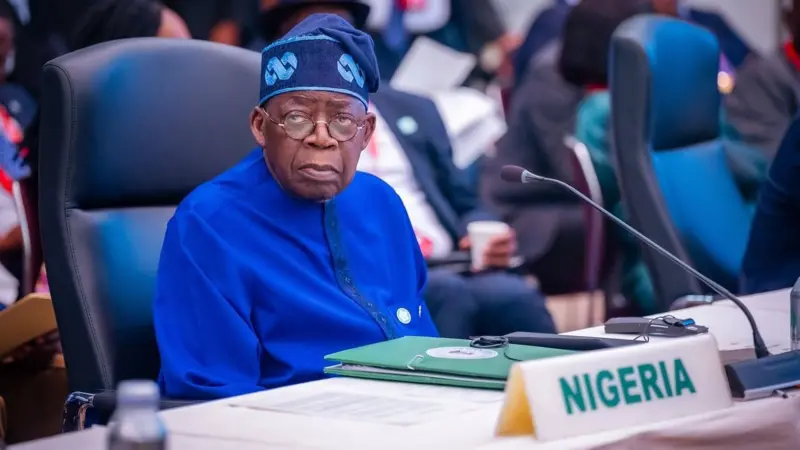
President Bola Tinubu, represented by Vice President Kashim Shettima, used the summit to demand a united West African front against xenophobic attacks in South Africa. Tinubu informed leaders that Nigeria had "already evacuated over 1,490 of its citizens from harm's way in seven batches".
"Nigeria condemns, in the strongest terms, the recent attacks on its citizens and other Africans in the Republic of South Africa. ECOWAS should present a united voice in this condemnation and table the matter before the next session of the Authority of Heads of State and Government of the African Union".
Tinubu also declared Nigeria's support for the ECOWAS Compact for the Future of Regional Integration, reaffirming the nation's commitment to peace, security, and democratic governance across West Africa.
What Lies Ahead
As the new ECOWAS Chairman, Faye is expected to intensify efforts to rebuild trust and keep communication channels open with the three breakaway Sahel states. His emergence—representing a new generation of political leadership—is expected to inject fresh energy into ECOWAS' reform agenda, with greater attention likely to be placed on good governance, accountability, youth inclusion, and strengthening the credibility of regional institutions.
The Senegalese Presidency described Faye's assumption of office as recognition of "a respected voice" and "a vision pursued with consistency," placing Senegal at the centre of the region's political, economic and security discussions for the coming year.
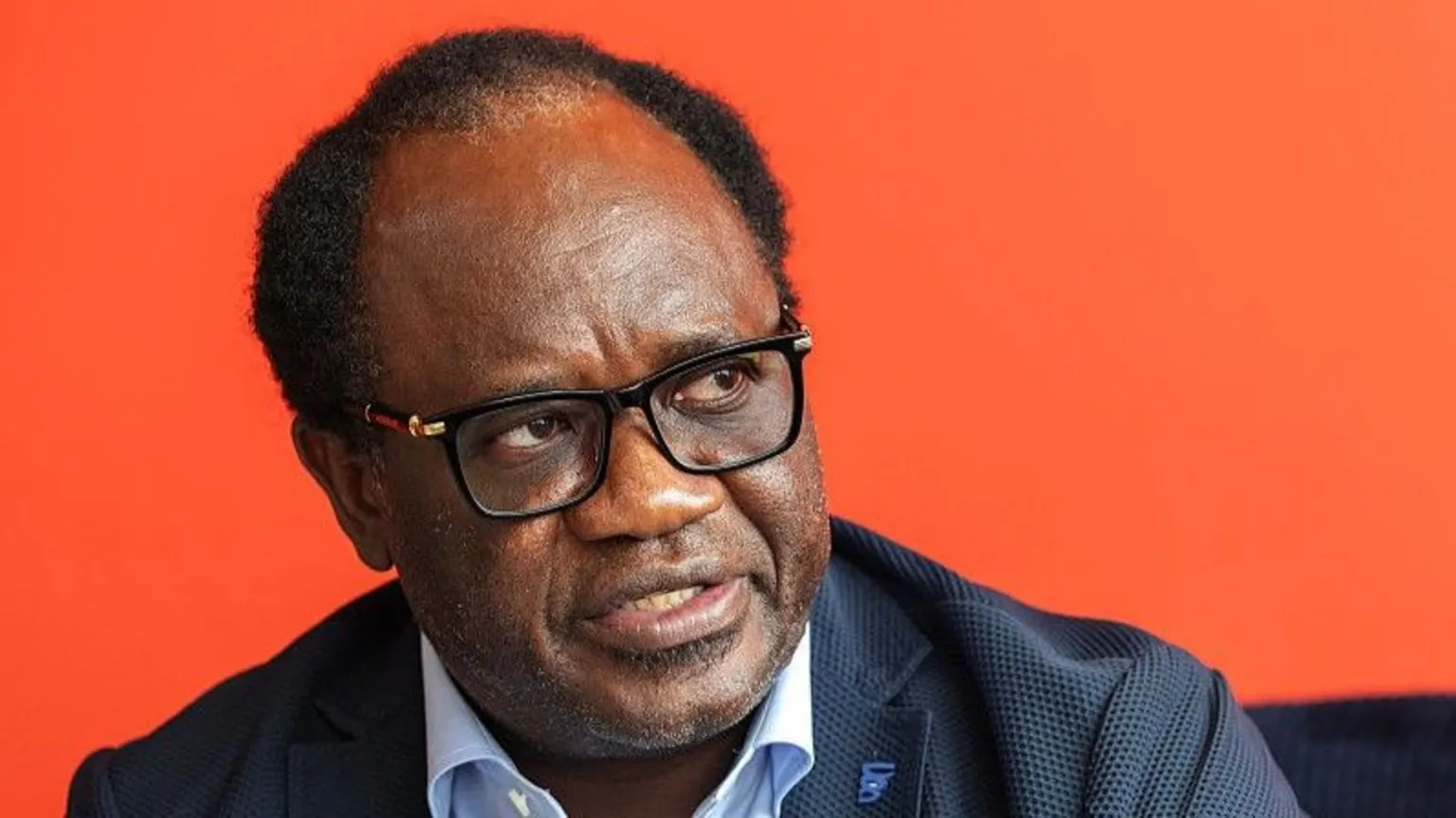
ECOWAS Commission President Dr Omar Alieu Touray noted that the organisation had reached "an important turning point" in its history, more than five decades after its establishment, with public expectations regarding peace, security, prosperity and opportunities "never been higher".










Comments (0)
No comments yet. Be the first to share your thoughts!