

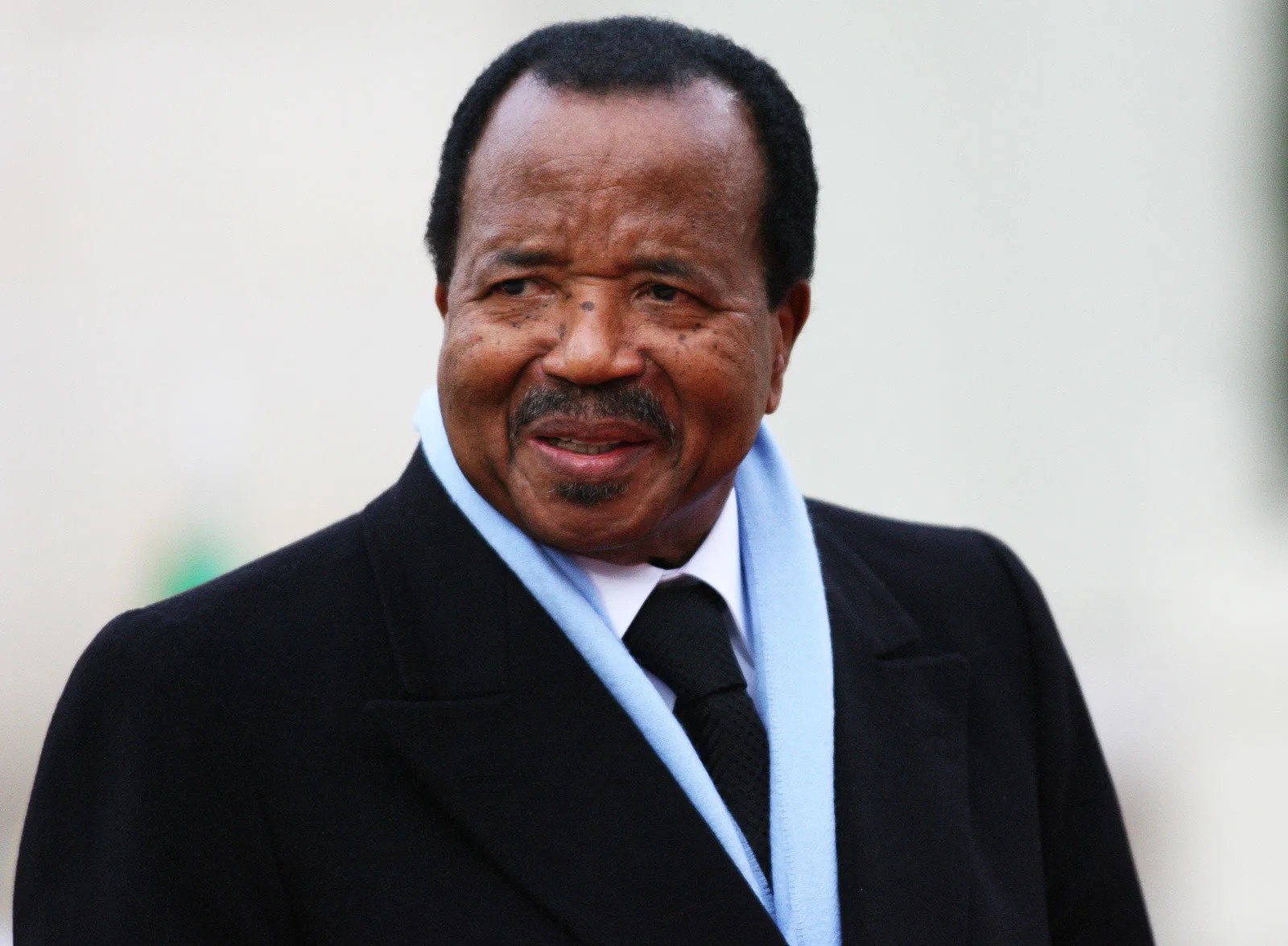
President Paul Biya, who has ruled Cameroon since 1982 and remains the world's oldest serving head of state at 93, has not appeared in public since leaving the country on June 7 for what officials described as a private visit to Switzerland. Nearly two months later, the presidency has yet to announce his return date, prompting mounting criticism from opposition figures and civil society groups.
Prolonged Absence and Uncertainty
Biya's prolonged absence has deepened uncertainty around the country's political future, with many Cameroonians questioning the state of their leader's health. The presidency has remained largely silent on the matter, offering no official updates on his condition or itinerary. This lack of transparency has fuelled speculation that the veteran leader may be incapacitated, though government officials maintain that the president is fully in charge of national affairs.

Military Reshuffle Signalling a Shift
Despite remaining abroad, Biya has continued to exercise presidential authority by signing a series of decrees that have significantly reshaped Cameroon's military leadership. The changes included the promotion of the commander of the elite Presidential Guard, Raymond Jean Charles Beko'o Abondo, to brigadier general while retaining him at the helm of the force tasked with protecting the presidency.
The reshuffle also replaced commanders in four of Cameroon's five joint military regions, marking one of the most extensive changes to the country's security command in recent years. The sweeping leadership overhaul suggests a deliberate effort to consolidate control over the armed forces at a time when the president's physical presence is absent.
Security Challenges and Loyalty Concerns
Political analysts believe the military appointments are designed to reinforce loyalty within the armed forces at a time when uncertainty surrounding Biya's prolonged absence has intensified. Cameroon has experienced growing security challenges in recent years, including separatist violence in its English-speaking regions and the continued threat posed by Boko Haram militants in the Far North, making control of the security establishment especially critical.
The English-speaking regions of Northwest and Southwest Cameroon have been gripped by an armed separatist conflict since 2017, when anglophone militants declared an independent state and triggered a government crackdown. The conflict has claimed roughly 6,000 lives and displaced over 700,000 people, with both state forces and separatists accused of serious abuses.
Succession Debate Rekindled
Biya's continued stay abroad has also reignited debate over succession in a country where power has remained concentrated in his hands for more than four decades. Opposition leaders argue that the lack of public communication from the president has created a leadership vacuum, while government officials insist that state institutions continue to function normally and that the president remains fully in charge through official decrees and directives.
Cameroon's constitution provides for presidential succession in the event of a vacancy, but the absence of a clear transition plan has raised concerns about political stability. The president's party, the Cameroon People's Democratic Movement, has historically maintained tight control over the political landscape, but there are growing indications of internal tensions over the future of the party.
A Nation in Waiting
The developments come at a sensitive moment for Cameroon, with many citizens expressing concern over the country's political future and economic challenges. The country is grappling with high unemployment, poverty and the impact of the COVID-19 pandemic, which has exacerbated existing vulnerabilities.
As speculation over Biya's health continues to grow, attention is increasingly focused on how the government will manage any future transition and whether the recent military changes signal preparations for a potentially pivotal period in Cameroon's politics. The absence of clear communication from the presidency has created an atmosphere of uncertainty, with citizens left to speculate about the future of their country.
The coming weeks are likely to be decisive. If Biya returns and resumes his duties, the immediate crisis may pass, but the questions surrounding succession and the concentration of power in one individual will persist. If he does not, Cameroon will face a transition of leadership unlike any it has experienced since independence.
With reporting from Reuters, Associated Press, Eastleigh Voice and CameroonOnline.







Comments (0)
No comments yet. Be the first to share your thoughts!