Zambia has recorded its largest maize harvest on record, with an estimated 4.9 million tonnes produced during the 2025/2026 farming season, marking a 28 percent increase from last year and creating a surplus of about two million tonnes for export markets.
The record harvest follows a severe drought during the 2023/24 season that devastated production across much of Southern Africa and forced Zambia to rely on imports. Secretary to the Cabinet Patrick Kangwa attributed the bumper harvest to favourable weather conditions, timely distribution of farming inputs and targeted policy interventions under the Comprehensive Agriculture Transformation Support Programme. The Zambian government has also lifted restrictions on the export of maize and maize products to encourage private sector participation and create additional markets for farmers.
A Surplus That Could Reshape Regional Markets
Zambia's total maize requirements are estimated at about 2.8 million tonnes for annual consumption, leaving a surplus of close to two million tonnes available for export markets. The record output is expected to strengthen food security, stabilise maize prices and increase export opportunities to neighbouring countries facing grain shortages.
Ad
Agricultural economist Wandile Sihlobo said Zambia's maize yield will build on South Africa's surplus supplies for the broader Southern African region, positioning the country as a stabilising force in regional food markets. Agricultural expert Coillard Hamusimbi noted that after meeting national consumption, industrial demand and strategic grain reserve targets, Zambia will still have about 2.4 million metric tonnes available for export.
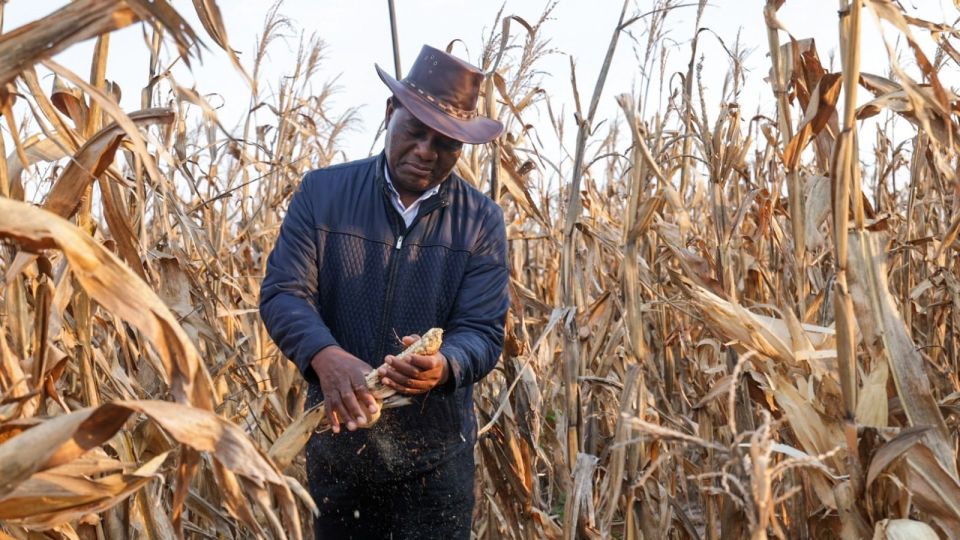
Zambian President Hakainde Hichilema praises farmers after recording 5 million tonne maize bumper harvest.
Record Harvest, New Challenges
The record harvest has generated optimism that Zambia's agricultural sector is entering a new era of growth, commercialisation and regional influence. President Hakainde Hichilema announced the milestone on social media, posting: "5 million tonnes! Zambia's biggest ever maize harvest. My fellow farmers, we keep working."
The surplus has already had economic effects, with mealie meal prices falling steadily from nearly K300 to between K220 and K230 for a 25kg bag across major brands. However, agricultural experts have warned that overreliance on maize alone could expose farmers to future climate risks. Calls are growing for Zambia to diversify into alternative crops better suited to changing weather conditions, while the government has committed to producing 10 million metric tonnes of maize, 3 million metric tonnes of soybeans and 1 million metric tonnes of wheat annually by 2031.
With reporting from EWN, ZNBC, CNBC Africa, Malawi24, CAJ News Africa, ZANIS and Bloomberg.
Please complete the verification below to continue.
Please complete the verification
Human verification passed
Edit Comment
Delete Comment
Are you sure you want to delete this comment?
This action cannot be undone.
Loading comment content...
We value your privacy
We use cookies to enhance your browsing experience, serve personalized content, and analyze our traffic. By clicking "Accept All", you consent to our use of cookies. You can manage your preferences at any time. Learn more.
Cookie Settings
We use cookies to improve your experience on our site. You can choose which cookies to allow. Read our full Cookie Policy.
Essential CookiesRequired
These cookies are necessary for the website to function properly and cannot be switched off.
Analytics & Performance
These cookies help us understand how visitors interact with our website by collecting anonymous information.
Functional Cookies
These cookies enable enhanced functionality and personalization, such as remembering your preferences.
Targeting & Advertising
These cookies may be used by advertising partners to build a profile of your interests and show you relevant ads.























Comments (0)
No comments yet. Be the first to share your thoughts!