


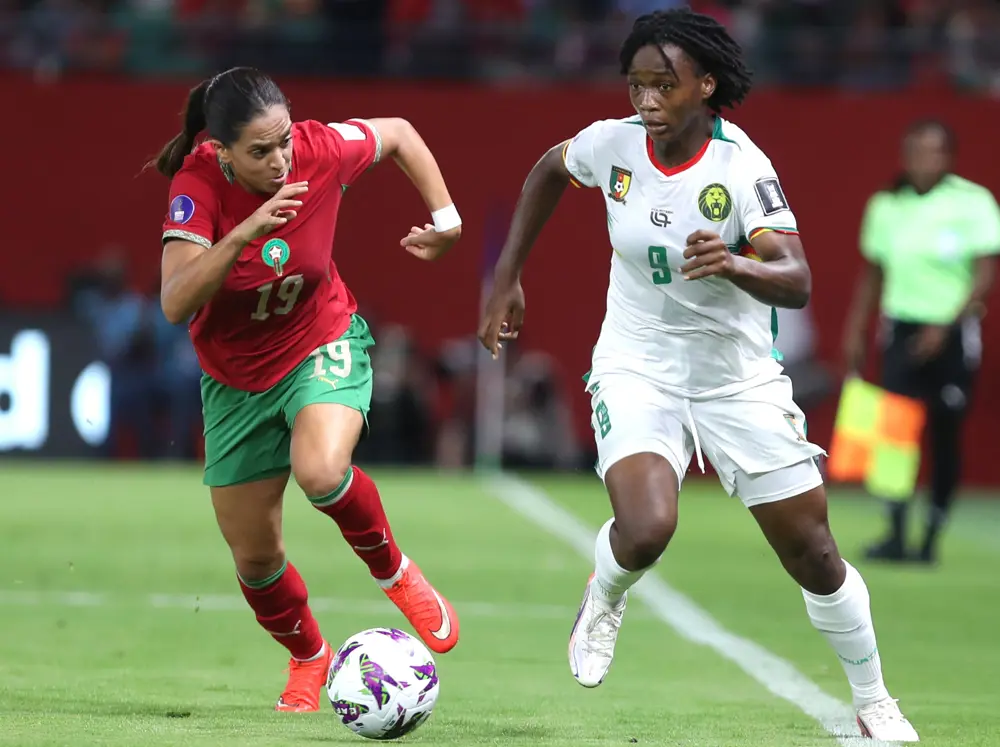
The 22-year-old Benfica goalkeeper was the undisputed heroine of the night, pushing away Fatima Tagnaout's tame left-footed penalty in the 118th minute after a Video Assistant Referee review had awarded Morocco a golden opportunity to snatch victory. Bihina then delivered another masterclass in the shootout, brilliantly keeping out efforts from Kenza Chapelle, Maryame Atiq and Sakina Ouzraoui, leaving the home crowd in stunned silence.
Teenage Cameroon defender Maryam Nyadjou held her nerve to convert the decisive penalty and seal a 3-1 shootout triumph for the Central Africans. Hanane Aït El Haj had converted Morocco's opening penalty, but that proved to be the hosts' only successful spot kick.

A Disciplined Defensive Display
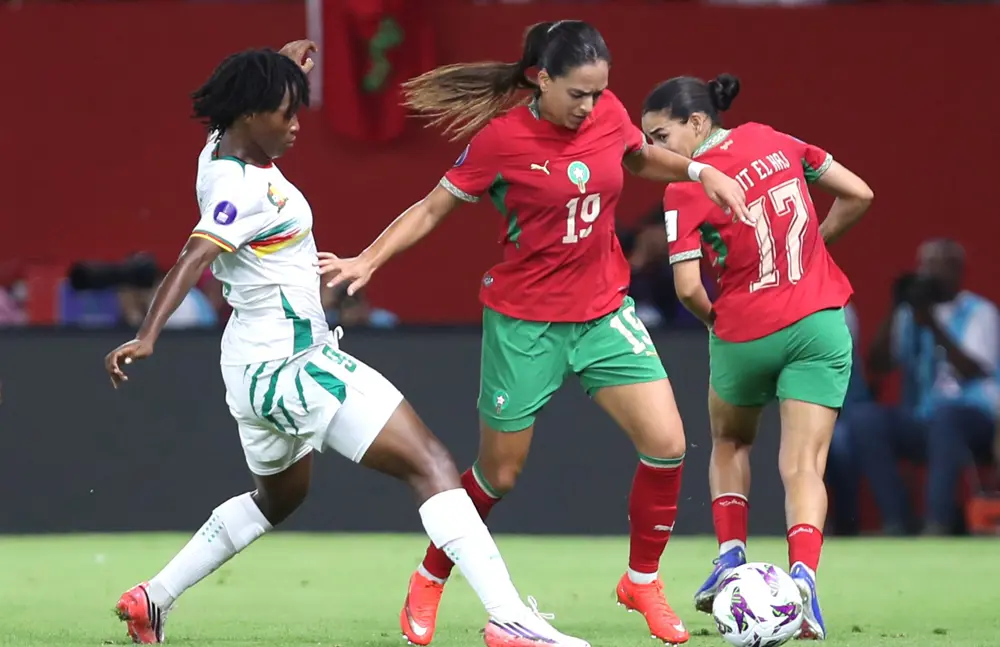
The semi-final was a far tighter affair than the earlier match between Malawi and Algeria, with Morocco controlling possession for much of the encounter but struggling to break down an organised and disciplined Cameroonian side. The Atlas Lionesses enjoyed about 70 per cent of possession during the opening half but managed only three shots on target from 13 attempts.
Morocco came closest to an opener in the 14th minute when Sanaa Mssoudy diverted Hanane Ait El Haj's right-wing cross against the right-hand upright. The forward also thrashed into the side-netting on the hour mark as the hosts increased the tempo after the restart.
Coach Jorge Vilda turned to his bench in search of greater attacking threat, withdrawing Ibtissam Jraidi and Nouhaila Badri while introducing Fatima Tagnaout among others. However, Cameroon remained compact and frustrated Morocco until the end of regulation time.

Bihina's Night of Heroics
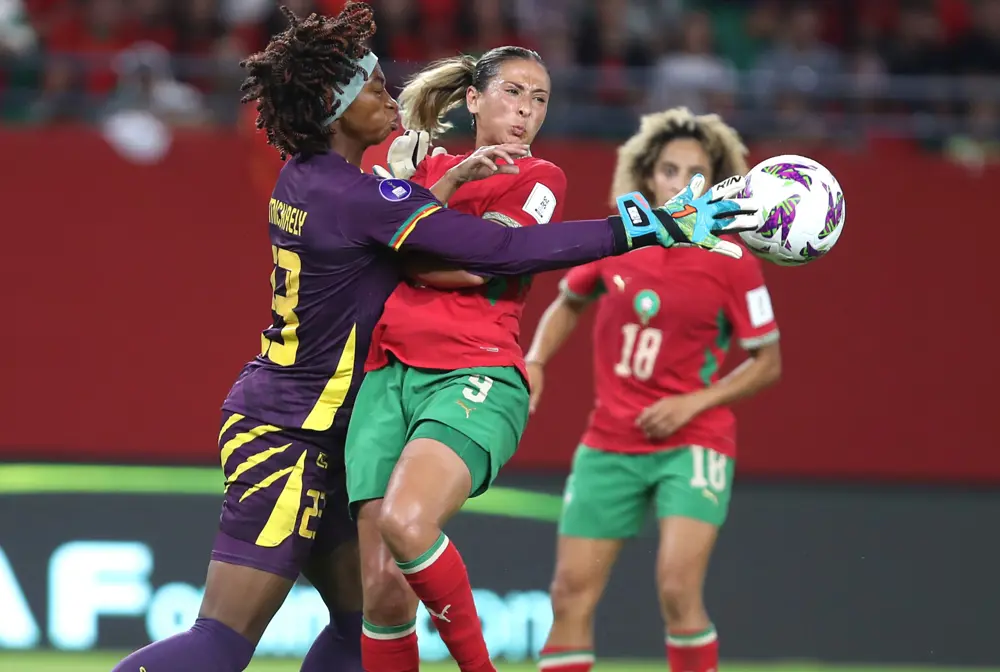
Just when the semi-final appeared destined to be decided from the penalty spot, Morocco were handed a glorious chance to win the tie following a VAR review. Togolese official Vincentia Amedome decided Nyadjou had caught Sakina Ouzraoui in the face with her arm. Aït El Haj had converted from the spot in the quarter-final win over South Africa, but substitute Tagnaout assumed responsibility and her tame left-footed effort was palmed away by Bihina.
There were better saves to follow from the Cameroon keeper, who had previously made a remarkable nine stops in her side's quarter-final upset against 10-time champions Nigeria. Chapelle put her effort too close to Bihina, but two stunning stops followed to deny Atiq and Ouzraoui.
Khadija Er-Rmichi had kept her side in the shootout by saving an effort from Grace Mendoua, but the Morocco keeper had little answer to Bihina's heroics.
Breaking the Shootout Curse
The result carries special significance for Cameroon, who had lost their previous three WAFCON penalty shootouts, including a semi-final defeat by Nigeria in 2018. They have now eliminated the defending champions and hosts in successive knockout rounds to reach their first final since losing to Nigeria as tournament hosts in 2016.
For Morocco, the defeat ends their hopes of reaching a third consecutive WAFCON final and winning their first continental title on home soil. The Atlas Lionesses were runners-up in 2022 and reached the final of the delayed 2024 Wafcon last July, throwing away a 2-0 half-time lead against Nigeria. They had also won their previous two WAFCON semi-final shootouts, against Nigeria in 2022 and Ghana in 2024, but their run ended against Cameroon.
A New Champion Guaranteed
The Indomitable Lionesses will face tournament debutants Malawi in Sunday's final, guaranteeing a new name on the trophy. Malawi reached their first final with a 3-1 victory over Algeria in the earlier semi-final.
Cameroon will now look to complete their impressive run by lifting the WAFCON trophy for the first time in their history, while Malawi will attempt to cap their remarkable debut campaign with continental glory.












Comments (0)
No comments yet. Be the first to share your thoughts!