



The Burden of Unequal Contracts
At independence, many African nations inherited economic agreements that were designed to benefit former colonial powers rather than the newly liberated states. These contracts—often signed under duress or in the immediate aftermath of independence—locked African countries into unfavourable terms for the extraction of their resources, the operation of their infrastructure and the management of their economies. The British, French and other colonial powers drafted treaties that allowed their companies to maintain control over mines, railways, ports and agricultural estates long after African flags replaced European ones.
The result has been a continent rich in resources that has remained poor in wealth. Africa holds 30 percent of the world's mineral reserves, 12 percent of global oil reserves and 40 percent of global gold reserves. Yet it accounts for only 2 percent of global manufacturing. The structure of the contracts that governed these resources often ensured that value was created elsewhere, leaving Africa with the extraction costs and environmental damage while profits flowed to shareholders in London, Paris and New York.

Today, African leaders must do what their predecessors could not: revisit and renegotiate the terms of economic cooperation. This is not a call for confrontation but for fair and equitable partnership. The agreements of the past are not the templates for the future.
Owning and Benefiting from Natural Resources
The first step towards economic sovereignty is ownership. The right to own and control natural resources is not a radical demand but a fundamental right recognised under international law. African nations must move beyond the model of resource extraction and embrace resource ownership.
Several countries have already taken steps in this direction. Nigeria has created a national oil company that is increasingly taking control of operations. Ghana has developed a regulatory framework that requires local content in oil and gas operations. South Africa has begun the process of land reform and the empowerment of black farmers in the agricultural sector. Yet these are baby steps compared to the transformation that is needed.
Owning the resource is only the beginning. The next step is developing the capacity to extract, process and manufacture the resource into finished products. This requires investment in infrastructure, technology and human capital. It requires building refineries, smelters, factories and industrial parks where raw materials are turned into value-added goods.
The story of Africa's minerals is a story of missed opportunity. Cobalt, lithium and rare earth metals are essential for the green energy transition. Yet Africa processes only a tiny fraction of these materials. The Democratic Republic of Congo produces more than 60 percent of the world's cobalt but the vast majority is exported as raw ore and refined overseas. This must change.
Manufacturing for Global Competitiveness
The next phase of Africa's economic transformation is manufacturing. The continent cannot remain a supplier of raw materials to the world's factories. It must become a producer of manufactured goods.
China's rise over the past four decades was built on manufacturing. The East Asian tigers—South Korea, Taiwan, Singapore and Hong Kong—transformed themselves from poor economies into industrial powerhouses through export-oriented manufacturing. Africa has the same opportunity today.
The African Continental Free Trade Area (AfCFTA) represents a historic opportunity to build regional value chains and develop manufacturing capacity. By creating a single market of 1.4 billion people and a combined GDP of over $3.4 trillion, the AfCFTA can enable African manufacturers to achieve economies of scale that were previously impossible.
The world is undergoing a fundamental shift in manufacturing. The green energy transition, the fourth industrial revolution, artificial intelligence, robotics and automation are reshaping global production. Africa cannot afford to be a passive observer of this transformation. It must be an active participant.
Technology as a Catalyst
Technology is the engine of modern development. It is transforming agriculture, health, education, finance and manufacturing. Africa has the opportunity to leapfrog the traditional stages of development by embracing technology.
In agriculture, precision farming, satellite monitoring and data-driven decision-making can increase yields and reduce waste. In health, telemedicine, mobile health applications and artificial intelligence can expand access to care. In education, digital learning platforms can reach students who have never had access to quality teachers. In finance, mobile money has revolutionised banking and financial inclusion.
The Fourth Industrial Revolution is not a future event. It is happening now. Africa must be a creator of technology, not just a consumer. This requires investment in education, research and development, and innovation. It requires policies that encourage entrepreneurship and risk-taking. It requires a culture that celebrates science, technology, engineering and mathematics.

The Damage Is Great, the Time Is Now
The damage done to Africa by centuries of exploitation is immense. The continent has lost trillions of dollars in resources, the growth of industries has been stifled, communities have been torn apart and potential has been wasted. The human cost of underdevelopment is measured in poverty, disease, illiteracy and insecurity.
But the damage is not permanent. The wounds can be healed if there is a genuine commitment to change and action is taken. The first step is repairing the social fabric. The second is investing in people. The third is transforming institutions.
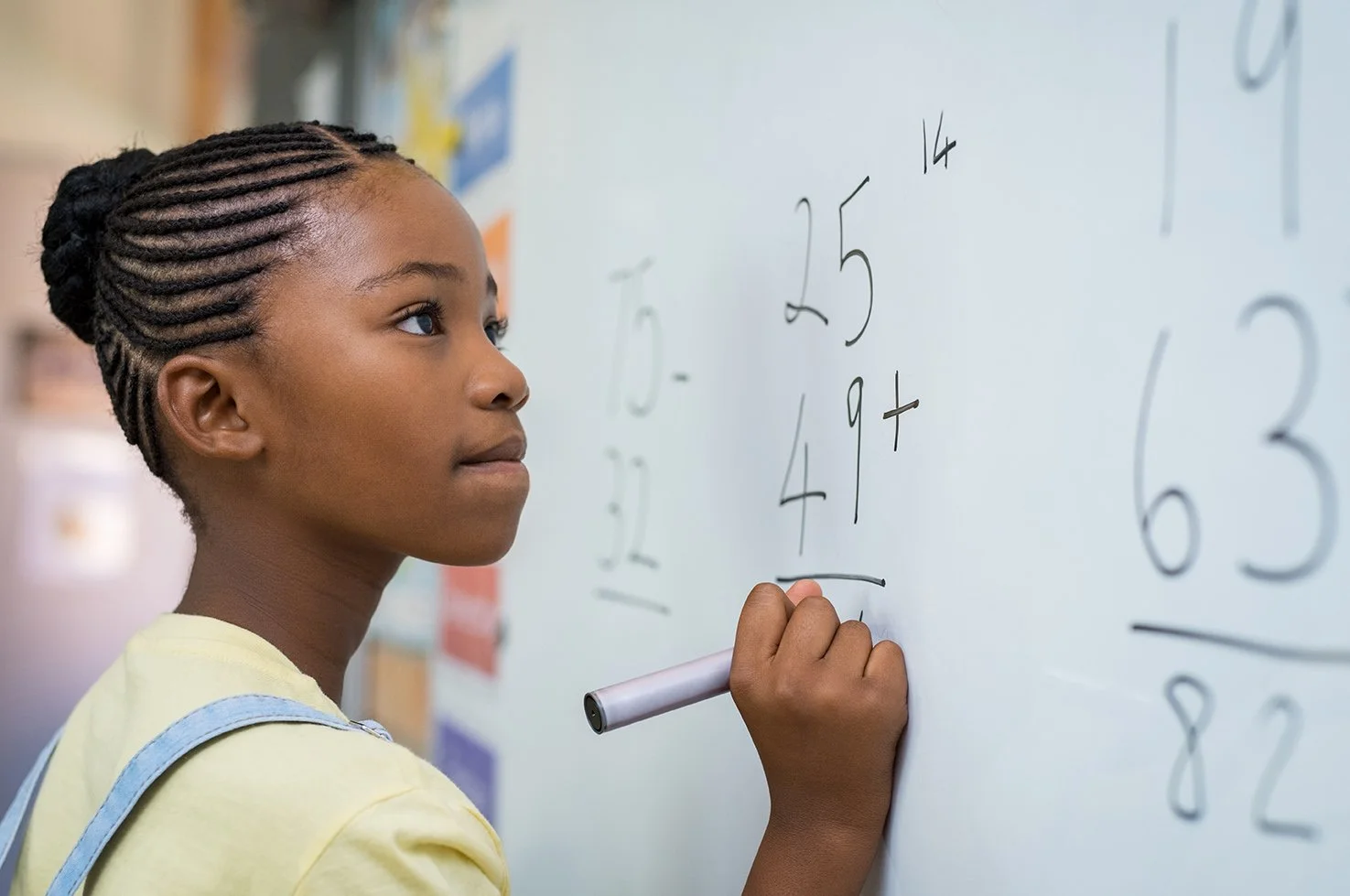
African governments must provide universal access to quality education. They must invest in health, sanitation, and clean water. They must create an environment in which small businesses can thrive. They must empower women and girls. They must address corruption and build transparent, accountable institutions.
The time for action is now. The momentum for change is building across the continent. Young people are demanding better. They are marching, speaking out and holding their leaders accountable. They are starting businesses, using technology and refusing to accept the status quo.
Social Capital: The Foundation of Transformation
Economic transformation cannot happen without social transformation. A society that does not educate its children, does not care for its sick, does not protect its vulnerable and does not value its citizens will never achieve sustained economic growth.
Social capital is the trust and networks that enable people to work together, to cooperate, to take risks and to invest in the future. It is the confidence that the system is fair, that institutions are accountable, that contracts are enforced and that justice is available to all. It is the belief that tomorrow can be better than today and that hard work will be rewarded.
Africa has immense social capital. African communities are resilient. They support one another. They share resources. They look after the most vulnerable. The informal economy, the extended family, the community savings groups and the spirit of Ubuntu are all forms of social capital that can be harnessed for development.
The challenge is to build on these strengths and to create the institutions and systems that enable people to realise their full potential. This means investing in education at all levels, from primary to tertiary. It means providing vocational training and skills development. It means creating opportunities for entrepreneurship and innovation. It means building a social safety net that protects people from poverty and vulnerability. It means strengthening the rule of law and protecting human rights. It means addressing inequality and creating opportunities for all.
A Call to Action
Africa's journey to reclaim its glory is not a sprint. It is a marathon. It requires sustained effort, long-term vision and unwavering commitment. It will not be easy. There will be setbacks, obstacles and disappointments. But the prize is worth the struggle. Africa has the potential to become a prosperous, stable and democratic continent. It has the resources, the people and the opportunity. What it needs is the will.
This is the century of Africa. The question to you African is, will you seize it?






Comments (0)
No comments yet. Be the first to share your thoughts!