


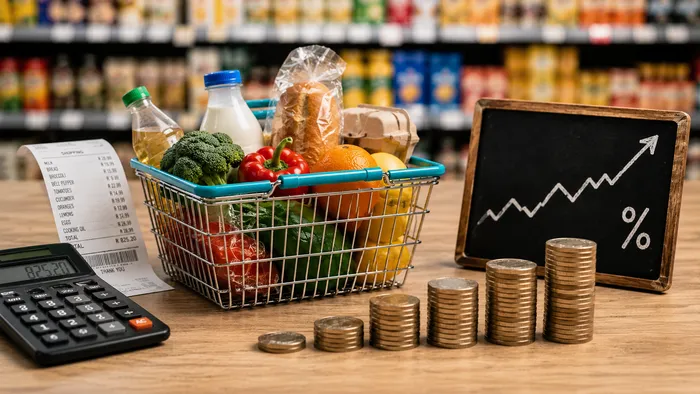
The increase, driven primarily by soaring transport costs, has pushed inflation to the top of the South African Reserve Bank's target range and raised concerns about the potential for further interest rate hikes.
Fuel Prices Remain the Primary Driver
Transport was the single largest contributor to both the monthly and annual inflation increases, with fuel prices climbing by a staggering 34.3% over the past 12 months. Diesel prices surged 50.8%, while petrol increased 31.7% year-on-year. This, combined with a 143 cents per litre increase in petrol prices in June, has had a cascading effect across the economy.

The knock-on impact on passenger transport has been severe. The annual inflation rate for passenger transport skyrocketed to 12.5% in June from just 4.0% in May, driven by sharp monthly increases in minibus taxi fares (+11.5%), e-hailing services (+8.7%), long-distance bus fares (+8.4%) and school transport (+3.7%).
The fuel price surge reflects both global and domestic factors. The average Brent crude oil price increased from $101 to $104.59 per barrel during the review period, driven largely by continued tensions between the United States and Iran, as well as the closure of the Strait of Hormuz. Domestic factors also played a role, with the reduction of temporary fuel levy relief adding to the burden on consumers.
Food Inflation Cools, But Households Still Feel the Pinch
In contrast to transport costs, food and non-alcoholic beverage inflation continued its downward trend, slowing to 1.6% in June from 1.9% in May. Cereal products recorded a fifth consecutive month of deflation at -1.5%, with white rice (-13.4%), maize meal (-5.9%), samp (-1.5%) and porridge (-1.3%) all cheaper than a year ago.
Meat inflation also extended a downward trend, moderating to 5.1% from a peak of 13.5% in January 2026. Beef mince inflation cooled to 3.9% from May's 10.6%, while stewing beef entered deflationary territory at -2.7%. However, pork inflation remained stubbornly high at 13.9%.
Despite these official figures showing moderation, many South African households are still experiencing acute financial pressure. The Pietermaritzburg Economic Justice and Dignity Group's Household Affordability Index found that the average household food basket cost R5,502.42 in June, up R23.15 from May. Onions, chicken feet, chicken livers, tomatoes, carrots and green pepper each rose 5% or more in price during June.
"The gap between the official numbers and what poor households actually experience is not new," said Evashnee Naidu, KwaZulu-Natal regional manager of Black Sash, with families forced to shop around for the lowest prices and make hard choices about what they can still afford.
Housing Costs and Other Notable Price Changes
Actual housing rents increased by 4.1% over the past 12 months, with townhouses seeing the highest increase at 5.4%, followed by flats at 4.6% and houses at 3.7%. The rental data, which is incorporated into the CPI calculation at the end of each quarter, reflects ongoing pressure on housing affordability.
Economic Outlook and Policy Implications
Economists have warned that the current inflation trajectory could lead to further interest rate hikes by the South African Reserve Bank (SARB). Kevin Lings, Chief Economist at Stanlib, noted that inflation is likely to hover close to 5% for the next few months unless there is a significant reduction in the oil price.
"If the inflation rate moves from the current 4% to 5%, then there's likely to be further pass-on or second round effects. The Reserve Bank will be even more nervous about second round effects and logically they would probably hike rates again," Lings warned.
South Africa's inflation target is 3%, with a tolerance band of 2% to 4%. With inflation now at 5.0%, it has moved above the SARB's target range, increasing the likelihood of monetary policy tightening.
However, some analysts anticipate relief in the coming months. Johann Els, chief economist at PSG Financial Services, expects inflation to ease back to around 4.3% in July following a 201 cents per litre price reduction in petrol in July, then drift towards 4.0% by year-end.
The government has acknowledged the pressure on households. In response to a parliamentary question, the Presidency noted that the National Minimum Wage was increased by 5% from March 2026 and social grants have also been increased above inflation. The government has also been implementing fuel levy relief measures, although these were reduced in June.
The June inflation data underscores the vulnerability of South Africa's economy to global oil price shocks and geopolitical instability and highlights the difficult balancing act facing policymakers as they seek to support growth while keeping inflation in check.
Issued by Stats SA
















Comments (0)
No comments yet. Be the first to share your thoughts!