


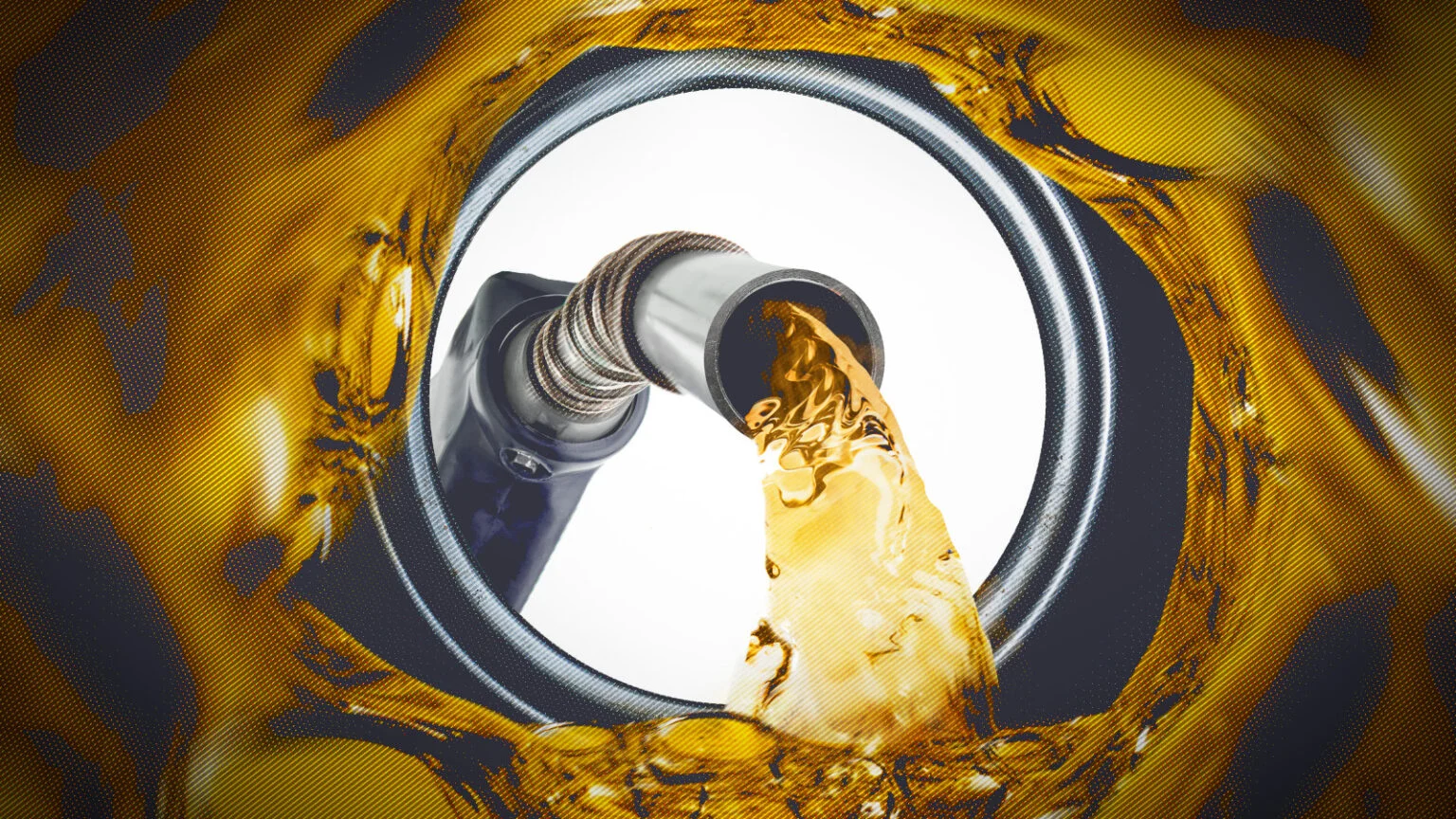
The Department of Mineral and Petroleum Resources confirmed the price adjustments on Monday, revealing that the price of petrol will drop below R26 per litre in Gauteng for the first time in five months, to R25.58 per litre. At the coast, petrol will cost R24.71 per litre.
A Welcome Reduction in the Slate Levy
The significant price cut is largely attributable to a reduction in the slate levy, which has been slashed from R1.14 per litre to 61 cents per litre. This translates to a 53-cent decrease in the prices of both petrol and diesel.

The slate account is a mechanism used to pay fuel importers for the difference between the regulated fuel price they are allowed to charge and the actual price they pay to import or manufacture fuel during that month. This difference varies daily based on international markets and the fluctuating rand-dollar exchange rate. The levy is triggered when the account balance exceeds R500 million in deficit. The reduction in the levy reflects a healthier account balance, providing the Department with room to ease the burden on consumers.
Diesel Hike Smaller Than Feared
Despite the positive news for petrol users, diesel will see an increase. The wholesale price of diesel will rise by R1.23 per litre for 0.005% sulphur and R1.38 per litre for 0.05% sulphur. However, this increase is smaller than initially feared, as the slate levy cut has partially offset a surge in global diesel refining costs and elevated oil prices.
The wholesale price of diesel will increase to R26.17 per litre in Gauteng and R25.30 per litre at the coast.
Oil and Currency Factors
The price adjustments come against a backdrop of renewed conflict in the Middle East, which pushed oil prices above $100 per barrel again in the last three weeks. However, the average oil price for the entire five-week review period was lower, at $82.37 per barrel compared to $86.54 per barrel previously. This lower average, combined with the rand's relative stability, provided some relief.
Other Fuel Price Changes
The retail price of paraffin will increase by R2.03 per litre, while the retail price of gas will drop by a substantial R4.41 per litre. These changes will have mixed impacts on households and businesses that rely on these fuels for cooking, heating and lighting.
Impact on Consumers and the Economy
The decrease in petrol prices will be welcomed by cash-strapped consumers who have been grappling with the high cost of living. Lower fuel prices reduce the cost of transport, which in turn can help to moderate inflation. This may offer some relief to the South African economy, which has been under pressure from a combination of high unemployment, slow growth and rising prices.
With reporting from News24 Business and the Department of Mineral and Petroleum Resources.













Comments (0)
No comments yet. Be the first to share your thoughts!