The Interior Ministry has also flagged 18 counties as high-risk zones ahead of the anticipated 2026 El Niño rains, warning of floods, disease outbreaks and food shortages.
El Niño is a natural climate pattern characterized by the unusual warming of surface waters in the central and eastern tropical Pacific Ocean. While it brings droughts to areas like Australia and Southern Africa, for Kenya and the Horn of Africa, El Niño typically triggers torrential, above-average rainfall during the short rains season (October to December) and can spill over into the long rains.
What El Niño Means for Kenya
Kenya has severally experienced El Niño events over the decades, but two stand out as the most severe. In 1997–1998 Kenya experienced The Worst Event. Rainfall reached 2 to 12 times the normal average. Over 300 lives were lost, hundreds of thousands were displaced, key bridges collapsed, and crop damage exceeded $230 million. A severe outbreak of Rift Valley Fever devastated herds in Northern Kenya.2023–2024 After a brief lull when earlier warnings were downplayed, heavy El Niño-driven rains struck in late 2023 through May 2024. Over 300 people died, nearly 300,000 were displaced, and major dams burst, causing catastrophic damage.2015–2016 A strong global El Niño event. Kenya experienced significant localized flooding and crop losses, though government early-warning preparations helped mitigate damage compared to 1997.
Ad
Severe Flooding & Landslides: Heavy downpours lead to rivers bursting their banks, urban flash floods (especially in Nairobi, Mombasa, and Kisumu), and deadly mudslides in hilly regions like Murang'a, Elgeyo Marakwet, and the Mount Kenya region.
Infrastructure Destruction: Bridges wash away, roads get cut off (especially major transport corridors like the Nairobi-Mombasa highway or roads in ASAL regions), and power grid disruptions become frequent.
Public Health Crises: Floodwaters contaminate pit latrines and water sources, triggering outbreaks of waterborne diseases like cholera and typhoid. Stagnant water also leads to a surge in mosquitoes, causing sharp spikes in malaria and Rift Valley Fever (RVF) affecting both humans and livestock.
Agricultural Impact: While extreme wetness ruins standing crops like beans, potatoes, and maize in the short term, it recharges underground aquifers and revives pasturelands in pastoralist areas (Garissa, Wajir, Mandera, Turkana) after prolonged droughts.
“El Niño is not coming; El Niño is already here with us. El Niño is not rainfall as most Kenyans believe. It basically changes the patterns in the whole world. In Kenya, it is associated with depressed rainfall or below-average rainfall over the western half of the country and the North Rift, ”Hannah Kimani.
El nino is here with us
After a long warning from the weather department now El Niño is already here. It has contributed to the prolonged dry spells and unusual temperature patterns experienced in parts of Kenya.
Climate scientist and head of the Public Weather Services Section at KMSA Hannah Kimani said the phenomenon should not be mistaken for rainfall or viewed solely as a precursor to floods.
She said El Niño is a climate phenomenon that occurs when sea surface temperatures in parts of the central and eastern equatorial Pacific Ocean become warmer than usual, altering global circulation patterns and, consequently, rainfall and temperature patterns worldwide.
“El Niño is not coming; El Niño is already here with us. El Niño is not rainfall as most Kenyans believe. It basically changes the patterns in the whole world. In Kenya, it is associated with depressed rainfall or below-average rainfall over the western half of the country and the North Rift,” she said.
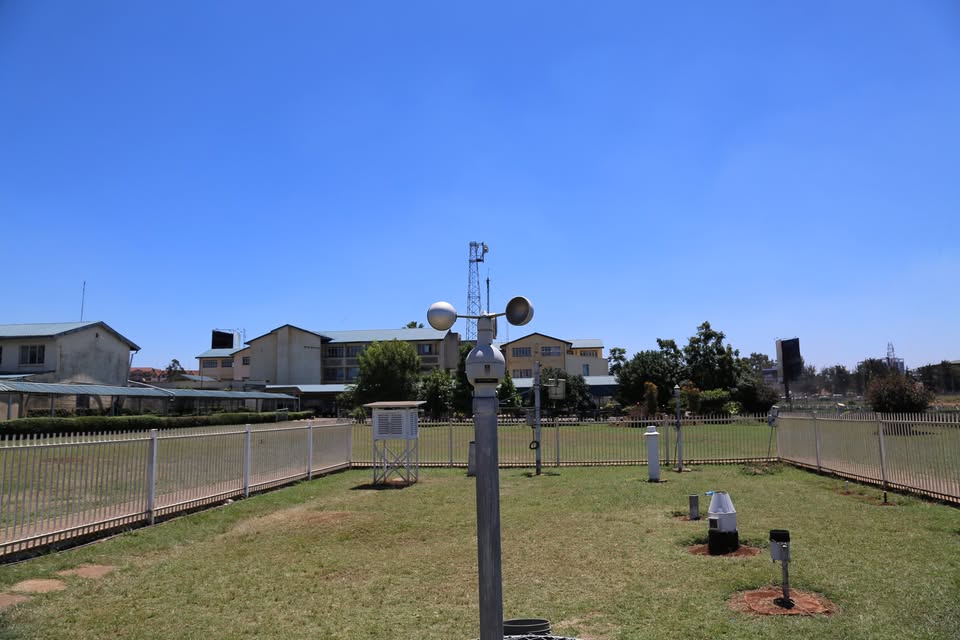
Speaking during the 5th edition of the Annual Journalists Climate Training (AJCT 5) by Power Shift Africa in Kigali, Rwanda, Kimani said this influence has already been evident between June and September, when western Kenya and the North Rift normally receive rainfall as a continuation of the March-May. The Kenya Meteorological Department (KMD) provides critical updates regarding the onset of El Niño, its timeline, and what to expect during the upcoming rainfall season
El Niño is a climate phenomenon that occurs when sea surface temperatures in parts of the central and eastern equatorial Pacific Ocean become warmer than usual, altering global circulation patterns and, consequently, rainfall and temperature patterns worldwide.
Current Status
According to KMD, El Niño conditions are already present globally, contributing to recent unusual temperature swings and localized dry spells across parts of the country. Enhanced, above-normal rainfall linked to El Niño is projected to intensify starting in October 2026 during the October–November–December (OND) "short rains" season and potentially persist into early 2027. KMD emphasizes that El Niño is a global climate driver (warming of equatorial Pacific surface waters), not rainfall itself. It alters global weather patterns, which in Kenya typically leads to enhanced rainfall during the short rains.
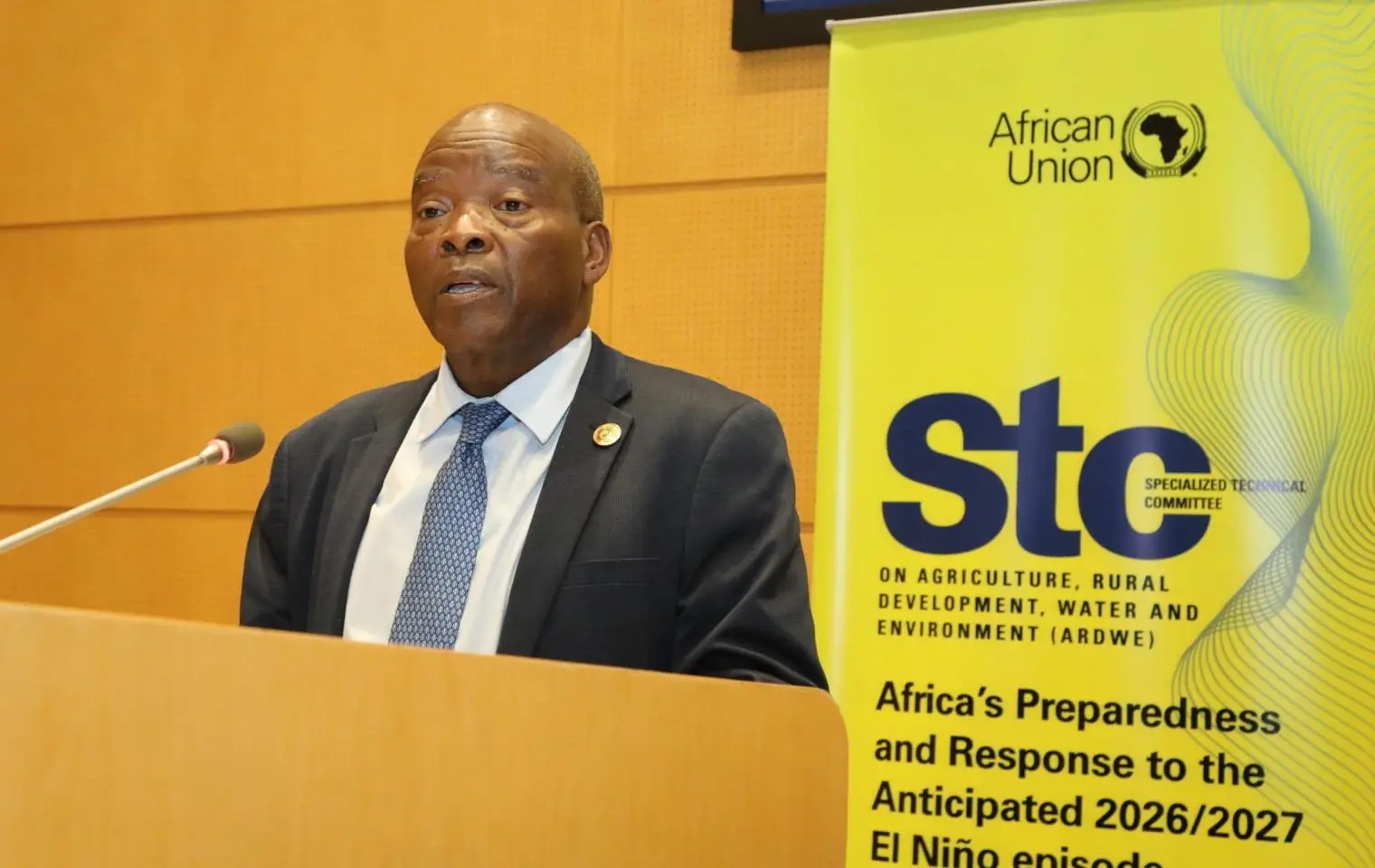
Public Health and Professional Standards PS Mary Muthoni said the Ministry was seeking support from health partners to strengthen preparedness and mitigate the effects of the expected rains.
Speaking during a health partners' engagement on planning for the Kenya Public Health International Conference (KEPHIC) 2026 on Wednesday, Muthoni said the response would require a coordinated effort between the government and its partners.
“We have experienced El Niño before, and we have taken time to learn from past disasters and build on the challenges we faced so that we can better mitigate its effects,” Muthoni said.
The Interior Ministry has also flagged 18 counties as high-risk zones ahead of the anticipated 2026 El Niño rains, warning of floods, disease outbreaks and food shortages.
Nairobi features on the list, with urban flooding, blocked drainage systems and strained infrastructure identified as major concerns. In the Coastal Region, Tana River, Kilifi, Lamu, Mombasa and Kwale have been marked as vulnerable to heavy rains and rising sea levels.
The coastal counties are expected to face flooding, storm surges, coastal erosion, infrastructure damage and displacement, while Kisumu, Busia, Siaya, Homa Bay and Migori in the Lake Basin are also under close watch.
The Interior Ministry said the high-risk counties face a mix of flooding, landslides, disease outbreaks, waterborne illnesses and possible displacement of families as the rains intensify.
As such, the Ministry of Health is seeking partner support for temporary medical structures, emergency medical services, health promotion, nutritional needs assessments, safe water and sanitation, logistics, security of critical infrastructure and medical supplies for affected areas. As part of its disease prevention measures, the Ministry also plans to distribute 10 million treated mosquito nets from November to more than four million Kenyans expected to be affected across the country.
Muthoni said the State Department for Public Health had prepared a Cabinet memorandum seeking approval for a monthly national cleanliness day.
“We are proposing that we set aside one day every month for Kenyans to clean their estates and surroundings, similar to the programme in Rwanda,” she said.
Please complete the verification below to continue.
Please complete the verification
Human verification passed
Edit Comment
Delete Comment
Are you sure you want to delete this comment?
This action cannot be undone.
Loading comment content...
We value your privacy
We use cookies to enhance your browsing experience, serve personalized content, and analyze our traffic. By clicking "Accept All", you consent to our use of cookies. You can manage your preferences at any time. Learn more.
Cookie Settings
We use cookies to improve your experience on our site. You can choose which cookies to allow. Read our full Cookie Policy.
Essential CookiesRequired
These cookies are necessary for the website to function properly and cannot be switched off.
Analytics & Performance
These cookies help us understand how visitors interact with our website by collecting anonymous information.
Functional Cookies
These cookies enable enhanced functionality and personalization, such as remembering your preferences.
Targeting & Advertising
These cookies may be used by advertising partners to build a profile of your interests and show you relevant ads.











Comments (0)
No comments yet. Be the first to share your thoughts!